Beyza Binnur Donmez
22 May 2026•Update: 22 May 2026
Women and girls are likely to face the highest risk of Ebola infection during the current outbreak in the Democratic Republic of the Congo and Uganda because of their caregiving and frontline community roles, UN Women warned on Friday.
“History has repeatedly shown us that women are more likely than men to die during an Ebola outbreak,” Sofia Calltorp, UN Women’s chief of humanitarian action, told reporters in Geneva.
She said the higher death rates are not because Ebola is more deadly for women once infected, but because women are more likely to contract the virus in the first place.
Calltorp cited previous outbreaks, including the 2018-2019 Ebola outbreak in the Congo, where women and girls accounted for around two-thirds of reported cases. During Liberia’s 2014 outbreak, women represented up to three-quarters of Ebola deaths in some communities, she added.
"We will certainly see the same pattern emerge in the current outbreak in the DRC and Uganda, which comes as the DRC is already dealing with a severe humanitarian crisis and immense pressure on health services," she said.
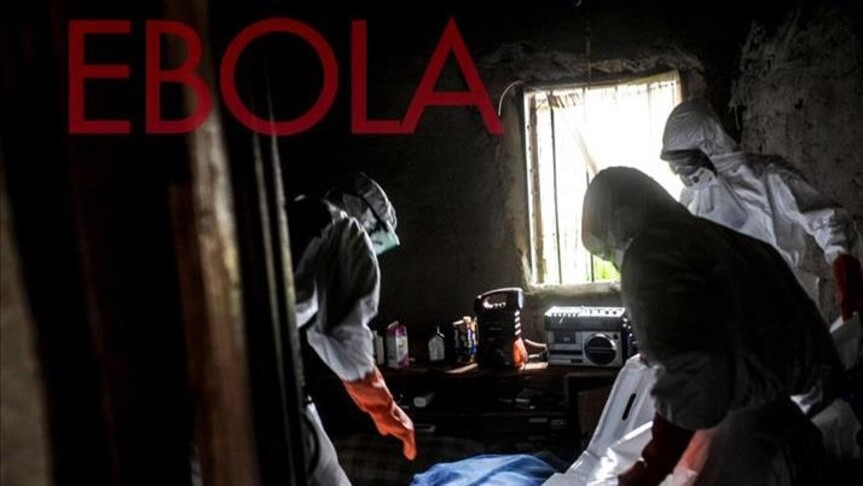
“Ebola transmission follows social realities,” Calltorp stressed, explaining that women are often caregivers for sick relatives, frontline health workers, and those preparing bodies for burial, placing them in close physical contact with infected people.
She also warned that pregnant women face additional risks due to increased contact with health services and said quarantines during health emergencies can often increase gender-based violence against women and girls.
UN Women called for sustained funding for women-led organizations, stronger primary healthcare support, and greater involvement of women in Ebola response decision-making and prevention efforts.