Necva Tastan Sevinc
17 April 2026•Update: 17 April 2026
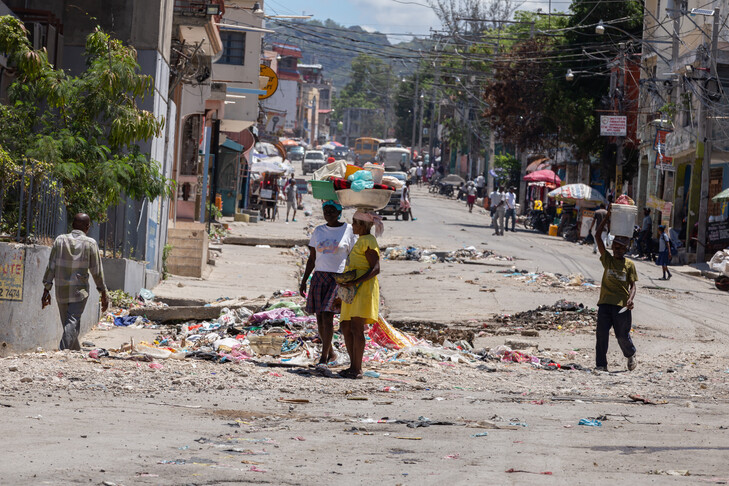
More than half of Haiti’s population is facing acute food insecurity, with armed violence, economic decline and climate shocks continuing to drive a worsening humanitarian crisis, according to an Integrated Food Security Phase Classification (IPC) report published Thursday.
An estimated 5.83 million people, or 52% of the population analyzed, are projected to face high levels of acute food insecurity between March and June 2026, classified as IPC Phase 3 or above.
Of those, nearly 1.9 million people, or around 16%, are facing emergency levels of food insecurity (IPC Phase 4), requiring urgent and expanded lifesaving assistance.
Despite slight improvements compared to previous projections, the overall situation remains critical and continues to deteriorate during the lean season, the report said.
Armed violence remains a key driver, with around 90% of the capital Port-au-Prince under the control of armed groups, severely restricting the movement of people and goods and disrupting livelihoods.
The country’s prolonged economic downturn, marked by seven consecutive years of GDP contraction and persistent inflation, has further eroded household purchasing power, limiting access to food.
The crisis has also been compounded by repeated climatic shocks, including drought and the impact of Hurricane Melissa in October 2025, which caused widespread destruction in southern regions.
Although some localized improvements such as slower inflation and slightly better agricultural conditions have been recorded, these have not been sufficient to reverse the broader trend.
The report also warned that global disruptions, including tensions in the Middle East affecting food supply chains, are having direct implications for Haiti.
Humanitarian agencies have called for urgent, large-scale assistance, particularly in areas classified as emergency, to prevent further deterioration and support the recovery of livelihoods.