14 May 2016•Update: 23 May 2016
NEW YORK
Apple has invested $1 billion in a Chinese online on-demand transportation company, according to the companies.
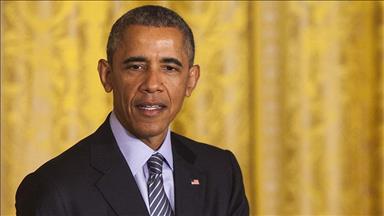
"Didi exemplifies the innovation taking place in the iOS developer community in China," Apple CEO Tim Cook said in a statement. "We are extremely impressed by the business they've built and their excellent leadership team, and we look forward to supporting them as they grow."
Including Apple's investment, Didi Chuxing's owner. Xiaoju Kuaizhi Inc., has so far received a total investment of $3 billion, as the firm expects a market capitalization of $26 billion.
Didi provides an average of 11 million on-demand rides per day and has more than 300 millions users in China and 14 million drivers.
Apple's investment is expected to provide Didi a competing advantage against Uber in the Chinese market.
Uber CEO Travis Kalanick took to social media to react to the announcement. "girlfriend owns @apple shares which makes her a didi investor," he said, using the hashtag #ridesharewars.
While Apple's investment is the biggest in company history for an overseas venture, it is regarded as an attempt to diversify its earnings, after falling profits and revenues in in the first quarter were below market expectations.
Apple's income fell 22.8 percent, while revenue contracted 12.7 percent in the first three months of 2016 and led to a loss of company share values for 8 consecutive days on Wall Street.
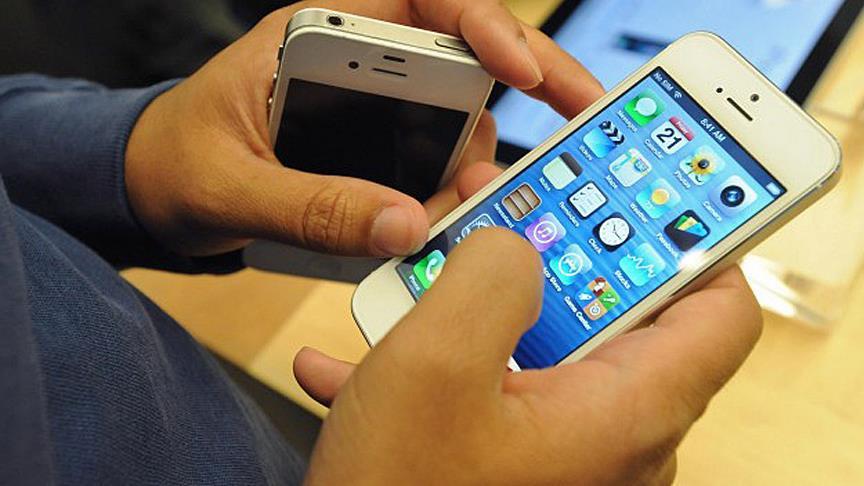
Due to falling iPhone sales in China, Apple could also be trying to intensify its position in that market, while the n investment paves the way for the tech giant to introduce its electric self-driving vehicles to the world's second biggest economy by 2020.
Cook said in an interview earlier this month that the smartphone industry in China has stopped growing and his company will focus on other areas.
Apple's sales in greater China, which includes mainland China, Hong Kong, Macau and Taiwan, were down 26 percent during the January-March period this year, from a year earlier. For the first time ever, the company recorded its first quarterly decline in iPhone sales during the same period.