Michael Sercan Daventry
13 May 2016•Update: 23 May 2016
LONDON
The International Monetary Fund (IMF) has joined a chorus of voices warning a British EU exit would lead to uncertainty and volatility.
The global body said Brexit would have a “negative and substantial” effect on U.K. output and incomes.
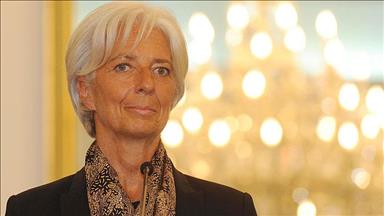
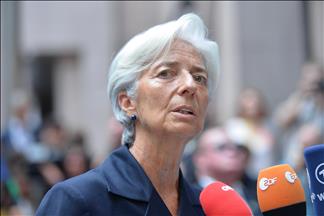
A statement published after a visit by IMF Managing Director Christine Lagarde to the U.K. read: “A vote for exit would precipitate a protracted period of heightened uncertainty, leading to financial market volatility and a hit to output.
“Following a decision to exit, the U.K. would need to negotiate the terms of its withdrawal and a new relationship with the EU – unless it abandoned single-market access and relied on WTO rules, which would significantly raise trade barriers.
“It seems likely that ratification of a new deal would require unanimous consent of all EU member governments, making agreements subject to considerable political risks.”
The statement added the U.K. would need to renegotiate its trading relationship with 60 non-EU economies, a process that could “well remain unresolved for years”.
If Britain voted to remain, the IMF said it expected economic growth to “rebound” in the remainder of 2016.
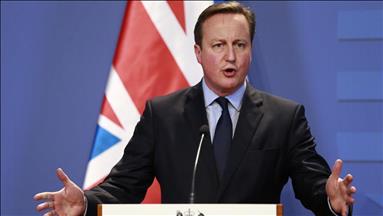
Britain’s finance minister, George Osborne, said he accepted the IMF’s broad conclusions.
He told a joint news conference with Lagarde on Friday morning: “The IMF are very clear today: the hit to growth we could expect from a vote to leave would cost our public finances more than the amount we’d gain from no longer contributing to the EU budget.
“Put simply, the IMF says a vote to leave costs us money.”
The IMF’s statement follows similar words of caution in recent days issued by the Bank of England, former U.K. premier Gordon Brown and Japanese premier Shinzo Abe.
A referendum on Britain’s membership of the EU will be held on June 23.