Mücahithan Avcıoğlu
28 April 2026•Update: 28 April 2026
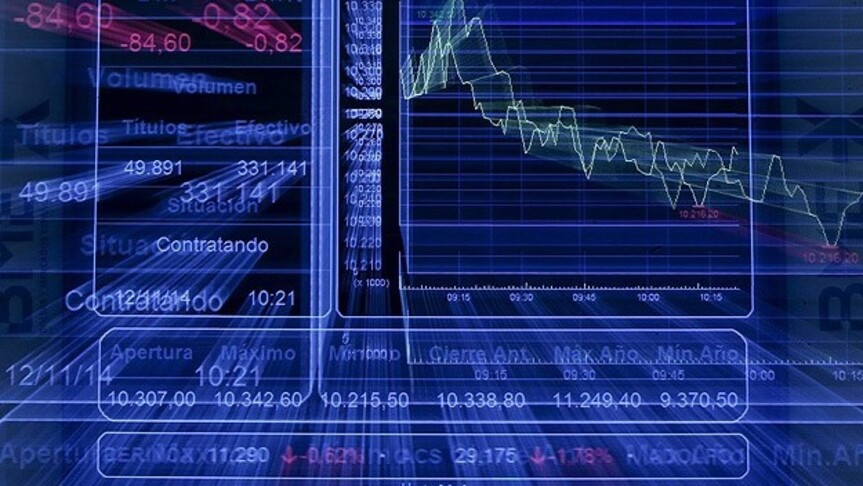
European stock exchanges closed mixed Tuesday as investors remained cautious about geopolitical tensions in the Middle East, corporate earnings and upcoming interest rate decisions by central banks.
The benchmark Stoxx Europe 600 index fell 0.37% to close at 606.58 points.
France’s CAC 40 lost 0.46% to 8,104.09, while Germany’s DAX declined 0.27% to 24,018.26.
The UK’s FTSE 100, however, rose 0.11% to 10,332.79. Italy’s FTSE MIB gained 0.77% to 48,040.24 and Spain’s IBEX 35 added 0.46% to reach 17,774.90.
The euro/dollar parity was down 0.14% at 1.1708 as of 1635GMT.
On the corporate side, heavy earnings traffic and legal developments were among the main drivers of individual moves by shares.
Shares of BP rose 1.7% in London after the oil company reported profit figures that beat expectations.
German biotechnology and pharmaceutical firm Bayer fell 4.6% amid developments around the Roundup case with the US Supreme Court and related protests.
Energy, geopolitical risks weigh on sentiment
Uncertainty about the war in the Middle East remained high on the agenda of investors.
The United Arab Emirates’ decision to leave OPEC shook markets, while concerns about energy supply security in the region continued to put pressure on prices.
Investors are also closely watching US President Donald Trump’s response to Iran’s proposal to reopen the Strait of Hormuz.
Focus turns to central banks
Markets are focused on interest rate decisions this week from the US Federal Reserve, the European Central Bank and the Bank of England.
The Fed is expected to keep interest rates unchanged, while investors are watching for signals in the period after Jerome Powell leaves his post at the head of the central bank.
In the eurozone, the ECB’s Bank Lending Survey showed that banks tightened credit standards due to higher energy costs and rising financing expenses.
Analysts expect the ECB to keep interest rates unchanged this week but leave the door open for a rate hike in June.
They said markets are in a “classic stalemate,” with cautious trading likely to continue until there is a concrete easing signal about Iran.