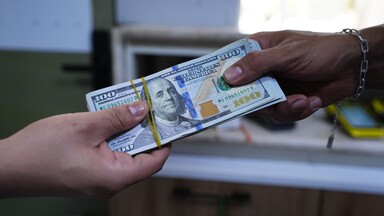
IMF chief warns growth alone cannot bring US debt under control
Kristalina Georgieva urges fiscal measures to reduce deficits as governments face mounting debt pressures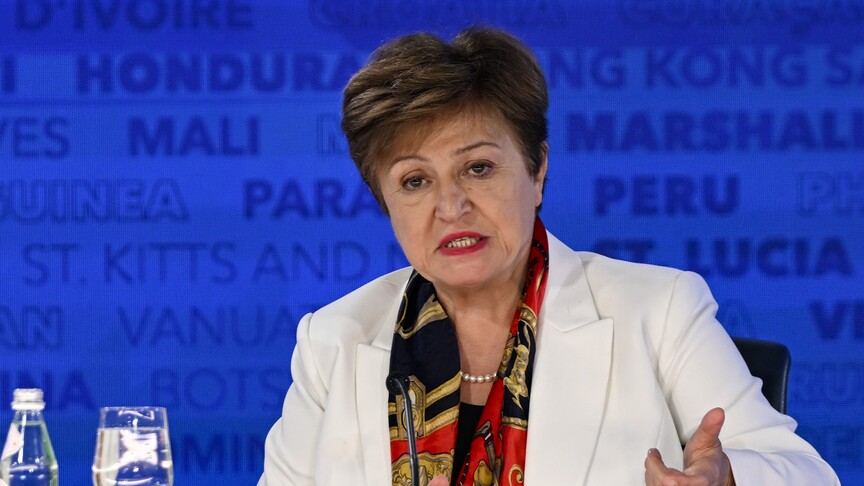
Economic growth alone will not bring US public debt under control, International Monetary Fund (IMF) Managing Director Kristalina Georgieva said Wednesday, urging additional measures to cut fiscal deficits.
Speaking at the IMF-World Bank annual meetings in Bangkok, Georgieva said stronger growth could help improve public finances but would not deliver the necessary adjustment quickly enough.
She said US Treasury Secretary Scott Bessent recognized that federal deficits and debt had become too high and needed to return to a more sustainable path.
US authorities, however, were relying heavily on strong economic growth to reduce those imbalances, she added.
Bessent has argued that sustained growth above 3%, combined with spending restraint, could lower the debt-to-gross domestic product ratio. The administration has pointed to artificial intelligence investment, manufacturing expansion and tax cuts as drivers of economic activity.
Georgieva’s warning underscored the IMF’s broader demand for governments to strengthen public finances as repeated shocks erode their capacities to respond to new crises.
In opening remarks published by the IMF, she said the global economy remained resilient despite frequent shocks and uncertainty, but that resilience was approaching its limits as energy and fiscal buffers were depleted. Inflation also remained persistently high in many economies.
She urged policymakers to increase revenues, rationalize spending and improve public financial management, while ensuring that assistance amid rising energy and food prices protected vulnerable people.
Georgieva said the global outlook was being pulled in opposite directions by an energy supply shock stemming from the Middle East war and stronger demand associated with artificial intelligence.
Economies closely integrated into AI supply chains were generally performing better, while low-income countries and fragile states faced particularly severe pressures, especially those dependent on energy imports or excluded from the technology boom.