Seyma Erkul Dayanc
07 September 2026•Update: 07 September 2026
Lithuania’s president on Monday described the strong performance of Germany’s far-right Alternative for Germany (AfD) party in a state election as “disappointing” and “worrying,” according to public broadcaster LRT.
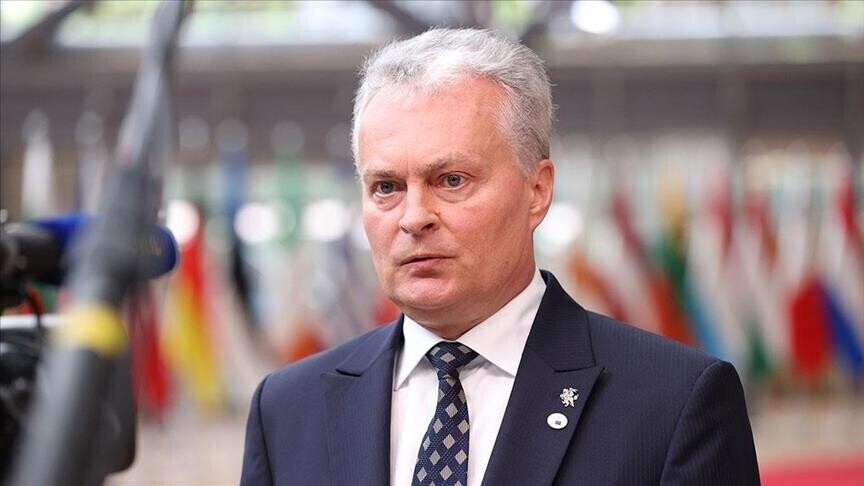
“I view it as a disappointment,” Gitanas Nauseda told reporters at the Lithuanian parliament, saying the result could have been predicted based on opinion polls and the mood in Germany.
“The strengthening and entrenchment of populist forces in some German states is worrying,” said the Baltic nation leader.
He warned that the growing influence of populist forces could shift political centers of gravity in national German politics in the years to come.
Nauseda said he hoped Germany’s policy toward Lithuania would remain “very friendly and very constructive,” while praising Chancellor Friedrich Merz’s foreign policy and his support for Ukraine in its war against Russia.
Populist German forces and the EU
He said the rise of populist forces could have some positive consequences, including potentially strengthening support for a tougher European migration policy and making discussions on migration more constructive within EU institutions.
However, Nauseda warned that the election could also strengthen calls in Germany for a smaller contribution to the EU’s next long-term budget.
“I am afraid that after these elections, voices arguing that Germany should contribute less to the common European finances could become stronger,” he said.
“Let’s simply be realistic.”
Nauseda said Lithuania would continue working to secure an ambitious EU budget, although the task could become more difficult.
The AfD won 44% of the vote in Sunday’s election in the eastern state of Saxony-Anhalt but fell three seats short of the absolute majority needed to form a government.
The result was also a setback for Merz’s center-right Christian Democratic Union (CDU), which had governed Saxony-Anhalt for 24 years.