Aysu Biçer
25 June 2026•Update: 25 June 2026
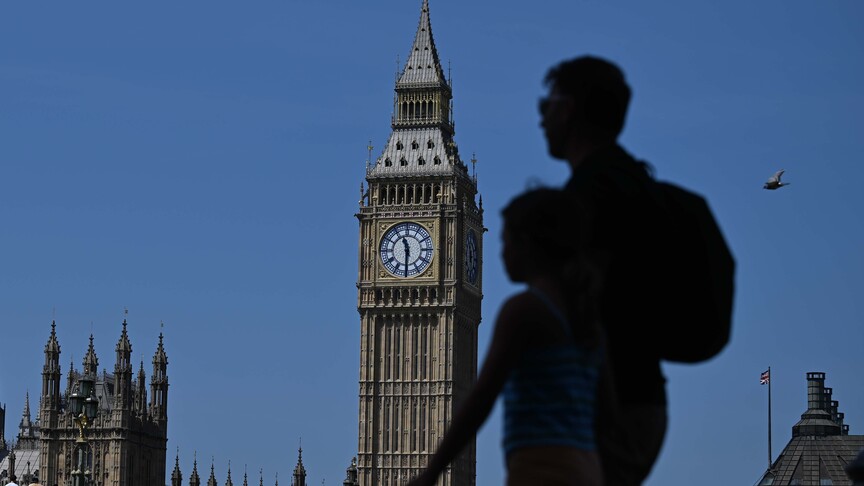
A red weather warning for extreme heat has been extended into Friday for London and parts of southeast England, as Britain endures an exceptional early-summer heatwave that has already broken decades-old temperature records.
The Met Office stated on Thursday that this is the first time since the current weather warning system was introduced that red heat warnings have remained in place for three consecutive days.
The warning covers London and parts of southeast England, while a broader amber alert remains in force across much of southern England and Wales.
The latest alerts follow what officials described as the warmest June night on record in the UK. Provisional figures showed temperatures in Cardiff did not fall below 23.5C (74.3F) overnight, offering little relief from the heat.
Wednesday also saw the UK's hottest June day on record after temperatures reached 36.1C (97F) in Gosport, Hampshire, though forecasters warned the record could be broken again in the coming days or hours.
"We are expecting that some daytime maximum temperatures could exceed 36C (96.8F), perhaps rising to 37C (99F) in some locations," Met Office Chief Meteorologist Andy Page said Thursday in a statement.
The prolonged heat is also placing pressure on essential services. South East Water announced a hosepipe ban affecting around 850,000 customers in Kent, citing high temperatures and record demand for water.
Across the country, people are adapting to the unusual conditions. In Bristol, a scaffolder described the challenges of working outdoors, saying: "there's no escape from the sun in our trade."
Meanwhile, some schoolchildren in Guernsey are being taught in an underground bunker in an effort to stay cool as temperatures remain exceptionally high.
Authorities urged people in affected areas to remain alert to the health risks posed by the extreme temperatures.
“Significant disruption to daily life is likely and the public should take every effort to adapt their daily routines to cope with these levels of heat, which up to now have been extremely rare for the UK,” Page said.