Sahin Demir
22 August 2026•Update: 22 August 2026
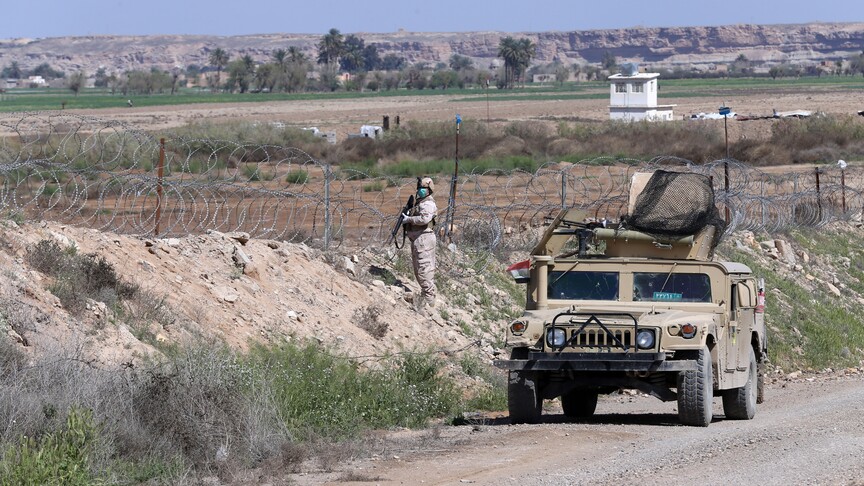
Iraq said Saturday that the Sept. 30 withdrawal of international coalition forces will represent a “strategic milestone and historic transformation” for the country.
Sabah al-Numan, spokesman for the commander-in-chief of the Iraqi Armed Forces, said the date would mark “the culmination of a long period of sacrifices and a major shift in Iraq’s sovereignty and stability,” according to the Iraqi News Agency (INA).
“The selection of this date for the withdrawal of coalition forces and the end of their mission was not an arbitrary decision,” al-Numan said.
He said the decision was based on the readiness of Iraq’s armed forces and security agencies, which he said had demonstrated their ability to control territory, counter threats and manage the country’s national security “completely independently.”
Al-Numan said Iraq had demonstrated its ability to defeat terrorist groups and prevent the spread of terrorism in the region and beyond.
He added that the completion of the withdrawal would open a new chapter in Iraq’s relations with other countries, including security, economic and training partnerships based on mutual respect, shared interests and Iraqi sovereignty.
The statement comes after Prime Minister Ali al-Zaidi said on Aug. 12 that the Sept. 30 deadline for ending the international coalition’s military mission and completing the withdrawal of its forces.
“Oct. 1 would mark a new day in Iraq’s statehood,” al-Zaidi said during a meeting with US Central Command Commander Gen. Brad Cooper, adding that Iraq would be free of any foreign military presence.
The two sides affirmed their agreement to end the coalition’s military mission, while Iraqi-US relations would shift toward economic and security cooperation based on mutual respect for sovereignty and shared interests.
The US-led international coalition was established in 2014 to fight Daesh/ISIS after the terrorist group seized large areas of Iraq and neighboring Syria.
Iraq declared military victory over the ISIS in December 2017 after retaking the territory held by the terror group, while coalition forces remained in the country in an advisory and training role at Baghdad’s request.