02 March 2016•Update: 04 March 2016
By Alex Jensen
SEOUL
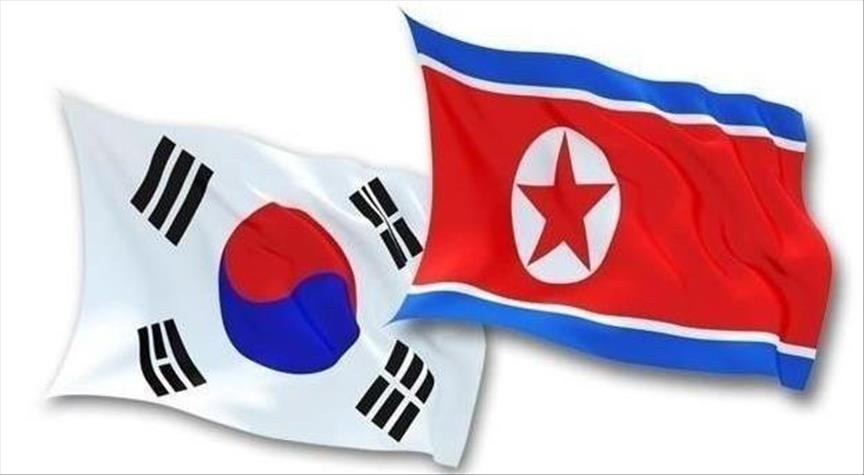
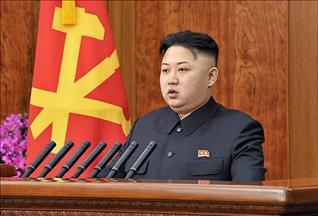
North Korea insisted Wednesday that its regime “cherishes people”, amid renewed pressure over its human rights record.
South Korea’s National Assembly is set to vote on a bill aiming to protect North Koreans from the state’s widespread abuse laid out in a 2014 United Nations (UN) report – including the alleged political imprisonment of around 120,000 people.
The bill has in fact been held up for more than a decade due to differences in opinion between South Korean lawmakers on the best way of dealing with Pyongyang, reflecting political tensions that stretch back to the division of the Koreas in the late 1940s.
As a recent political breakthrough between Seoul’s main rival parties has signaled a realistic hope of finally passing the human rights legislation, North Korea accused the South of launching a smear campaign.
“South Korea's move is an ugly farce to disgrace our nations' political system, which cherishes people,” claimed the North’s official Uriminzokkiri propaganda website.
But Seoul’s action would be in line with the international community, given the UN General Assembly’s repeated consensus on referring North Korea to the International Criminal Court.
“Now is the time for North Korea to look back upon its dismal human rights situation and make efforts to substantially improve it," local news agency Yonhap quoted a South Korean unification ministry spokesperson, Jeong Joon-hee, saying at a briefing Wednesday.
Hours earlier, Pyongyang’s Foreign Minister Ri Su-yong threatened to boycott UN Human Rights Council sessions, suggesting that incriminating defector testimonies against the North were falsely drawn in return for money.
Having become the first North Korean minister to attend a session last year, Ri told council members in Geneva Tuesday that his country was being singled out for political reasons.
He also highlighted what he saw as double standards in his counterparts’ attitude towards gun-related violence in the United States and Europe’s ongoing migration crisis.