05 November 2015•Update: 06 November 2015
By Alex Jensen
SEOUL
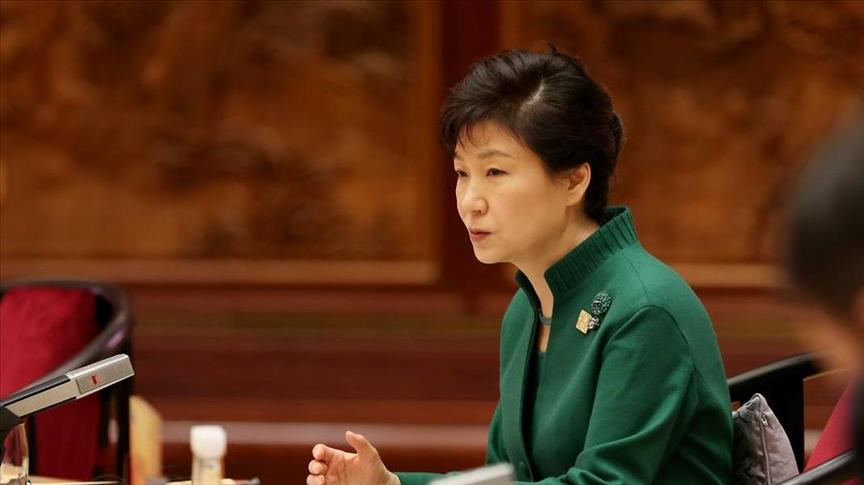
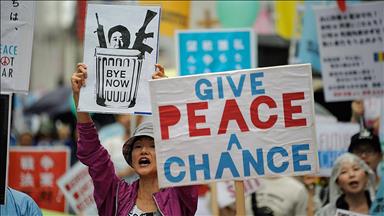
South Korean President Park Geun-hye linked a fierce debate over state-published history textbooks with the prospects for the peninsula’s unification Thursday, adding a new dimension to ongoing political tensions.
The main opposition New Politics Alliance for Democracy (NPAD) party has boycotted parliamentary proceedings for three days in response to this week’s official announcement concerning the government’s plan to reintroduce the textbooks for secondary school students from 2017.
Park was quoted by local news agency Yonhap as telling a presidential committee that unification with North Korea would be difficult to achieve without having “a solid historical viewpoint and sense of pride in our country.”
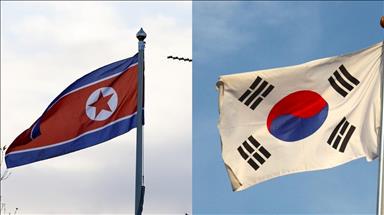
The two Koreas were divided at the end of Japan’s occupation in 1945, but their rift was cemented by the 1950-53 Korean War.
At the heart of the history textbook argument are differing political attitudes towards Korea’s separation and the subsequent years of North-South hostility.
While private publishers have been accused by conservatives of being left leaning and even pro-North Korea, liberal politicians and many academics have raised concerns about the government distorting history in the other direction.
President Park’s own father Park Chung-hee oversaw the original introduction of state-published history teaching materials in 1974.
Seen by critics as an authoritarian ruler, Park senior’s reign came to an end when he was assassinated in 1979 -- but history textbooks did not go private until 2011.