Michael Hernandez
10 February 2016•Update: 11 February 2016
By Michael Hernandez
WASHINGTON
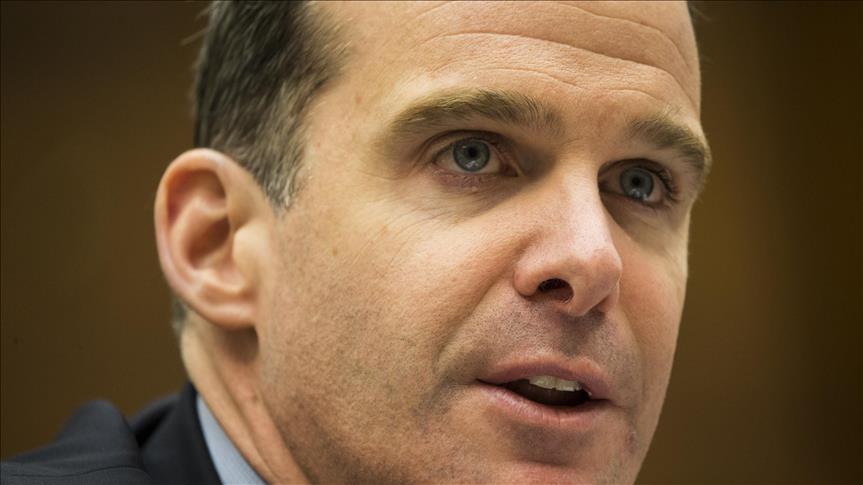
Turkey has made strides in securing its border with Syria, President Barack Obama’s envoy to the anti-Daesh coalition said Wednesday.
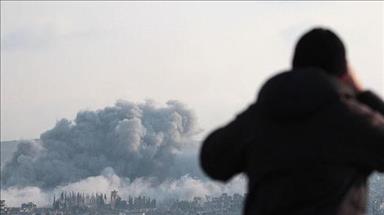
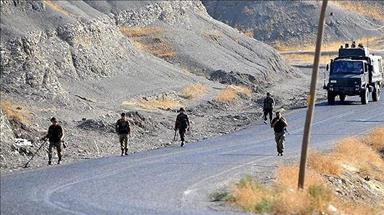
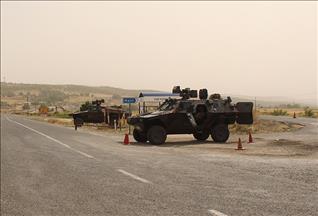
He said Turkish officials “are doing quite a lot” to ensure that Daesh fighters cannot exploit the border, including building berms, increasing border patrols, improving intelligence sharing and carrying out cross-border artillery strikes.
“This is having an impact. It is much harder for ISIL fighters to get into Syria now than it was even six months ago and once they’re in it is much harder for them to get out,” he said in testimony before the House Foreign Affairs Committee.
“We know from their [Daesh] own publications that they’re telling their fighters don’t come to Syria – go elsewhere, go into Libya,” Amb. Brett McGurk told lawmakers.
“That’s our objective – they can’t get in, and when get in they’ll never get out because they will die in Iraq and Syria."
Due to successive battlefield defeats, notably in the Syrian Kurdish city of Kobane, Daesh is left with only a 98-kilometer (61-mile) stretch of border, which McGurk termed “its remaining sole outlet to the world”.
But even as Daesh’s supply routes dry up, the Syrian conflict continues to amass casualties on multiple fronts.
The Syrian Army has made widespread gains in the country’s northwest, recently seizing rebel-held towns around Aleppo, severing supply lines with the assistance of allied militias and Russian airpower.
Thousands have fled Syria’s second city, and those who remain have reportedly begun hoarding supplies in case Syrian forces besiege the former metropolis. Defense Intelligence Agency Director Vincent Stewart has said the gains have strengthened Syrian President Bashar al-Assad’s hand in any potential negotiations with the opposition.
U.S. officials are eyeing a key three-day international gathering in Munich that begins later this week as a watershed opportunity to broker a cease-fire in Syria’s five-year conflict.
At the top of the agenda in the German city will be the development of a humanitarian corridor inside Syria, McGurk said.
“The Russians claim that they’re cutting off weapons supply corridors, but they’re actually cutting off humanitarian corridors so at the very least they need to put their money where their mouth is and open up the humanitarian corridors immediately to all of these besieged areas,” he said. “This will be a very difficult three days coming up, but we’re going to be very firm – the situation is totally unacceptable.
“All of us have to come together as great powers – Turkey, the U.S., Saudi Arabia, Russia – and figure out a way to settle this conflict down, otherwise its going to come to haunt all of us,” he cautioned.
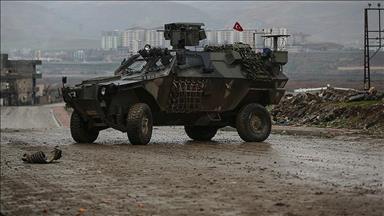
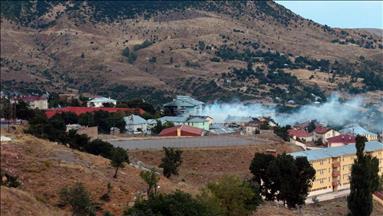
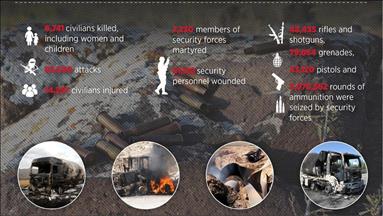
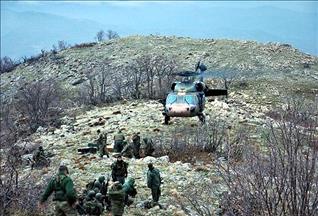
Noting Turkish concerns about Syrian Kurdish forces, McGurk stressed Washington’s commitment to Ankara’s security as Turkey wars with the PKK in the country’s southeast, saying “Turkey faces a real threat from the PKK”.
“Turkey has a right to respond in its own self-defense,” he said. “We want to protect Turkey against the PKK, and that’s something we’re going to help them do, we’re going to continue to help them do, but we also want to strengthen the Kurds in northern Syria.”
Turkey views Syrian Kurdish Forces, known as the YPG and its political wing, the PYD, as offshoots of the PKK.