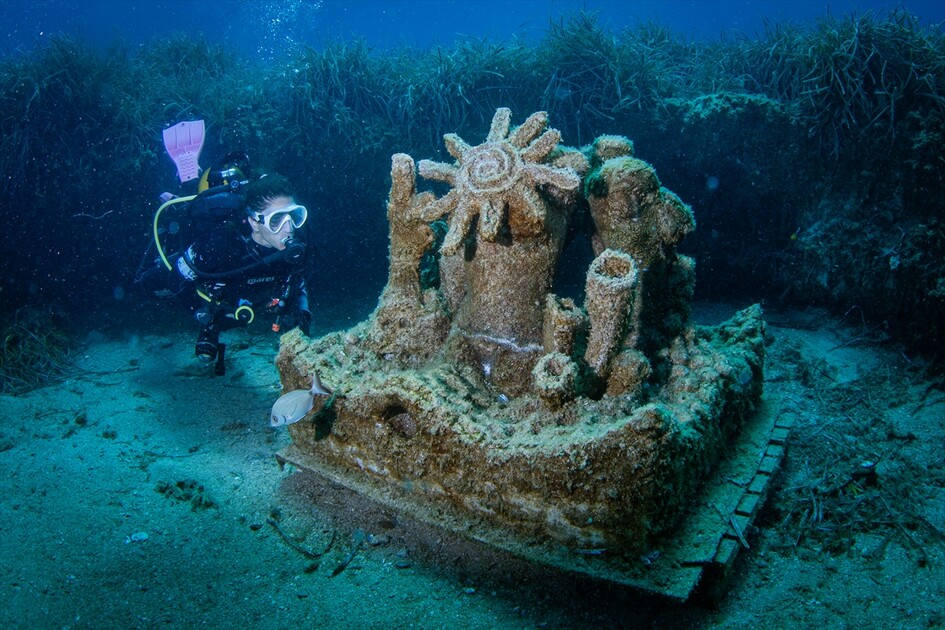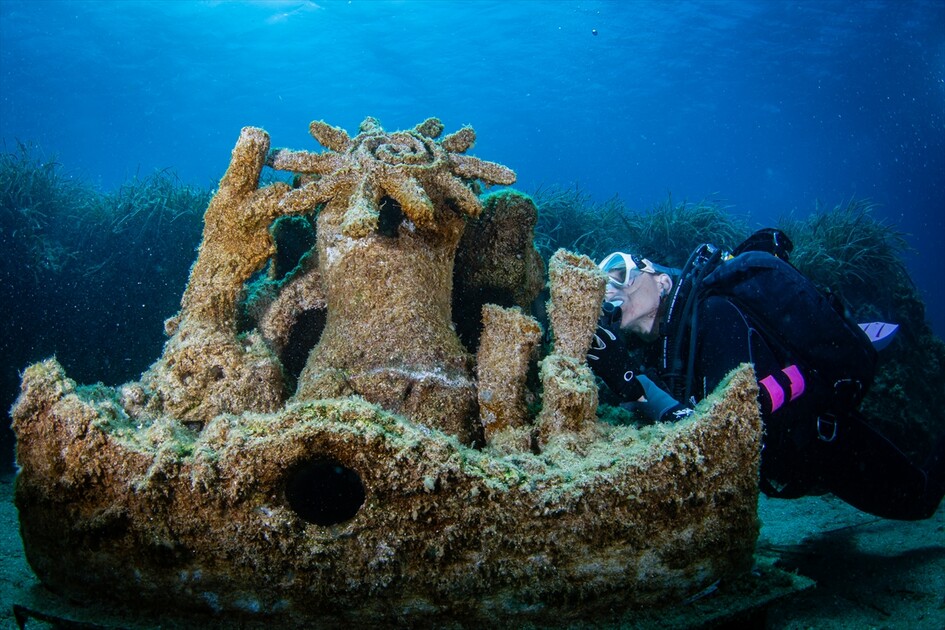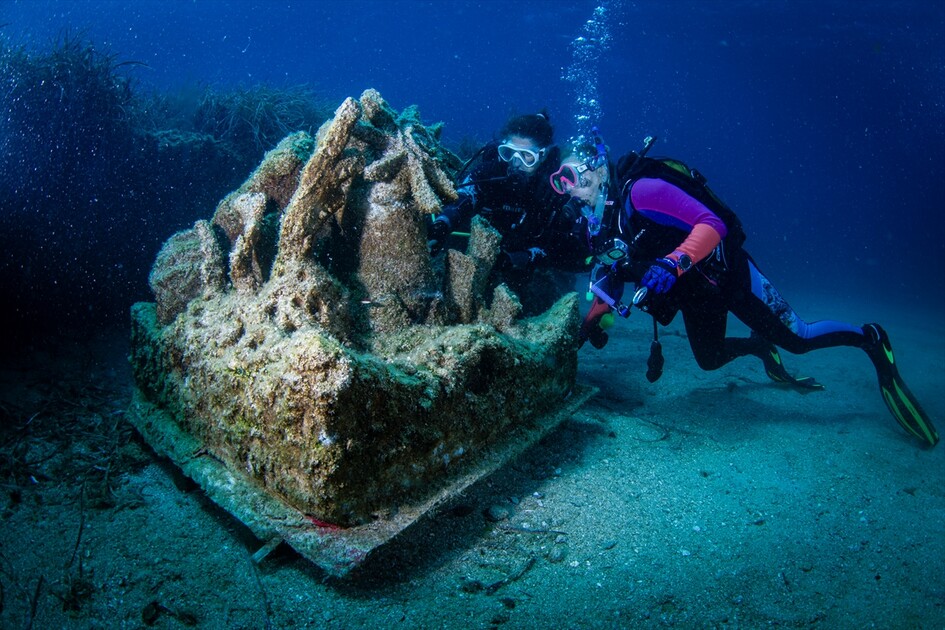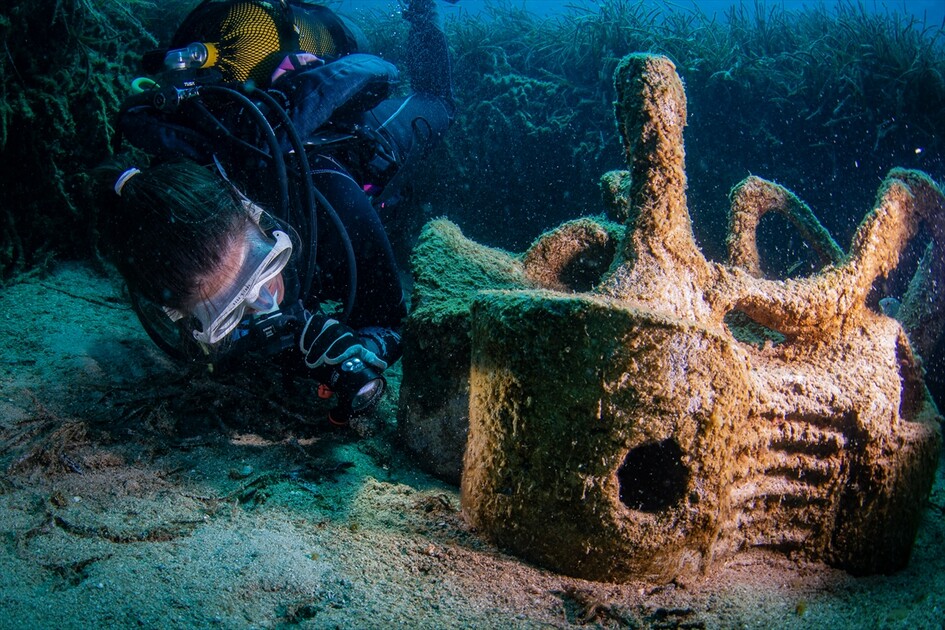
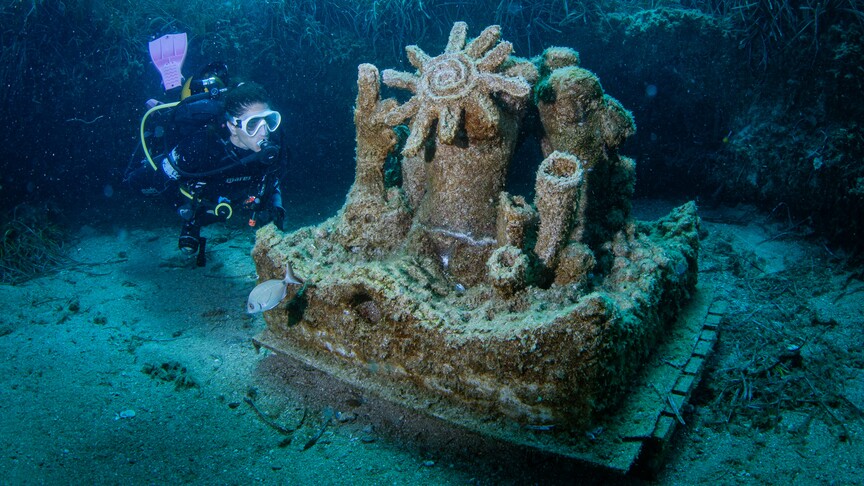
Turkish entrepreneur Nermin Sena Ozger is turning discarded mussel shells into artificial reefs in western Türkiye, recycling organic waste while creating new habitats for marine life.
Ozger, a diving instructor, industrial designer and entrepreneur, grew up closely connected to the sea in Izmir’s Foca district.
As part of her master’s degree, completed at Izmir University of Economics in 2019, she researched ways to enhance underwater experiences.
During her doctoral studies at Yasar University, completed in 2026, Ozger focused on using discarded mussel shells in artificial reefs.
Her project was titled “Towards Symbiocentric Artificial Reef Design: An Application-Based Study Through Bio-Reef.”
Ozger established a company at Teknopark Izmir within the Izmir Institute of Technology and further developed the project with support from the Scientific and Technological Research Council of Türkiye (TUBITAK) Individual Young Entrepreneur Program and the UN Industrial Development Organization's Global Cleantech Innovation Program (GCIP).
She began collecting discarded shells from businesses selling stuffed mussels and mussel-export processing facilities.
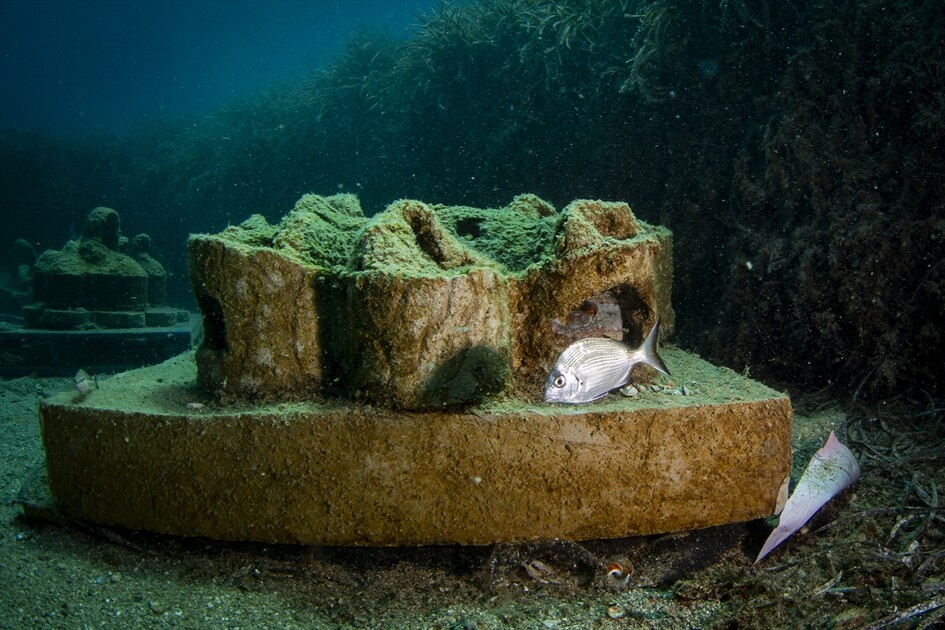
After upcycling about 3 tons of mussel shells in the initial phase, she produced four artificial reef prototypes.
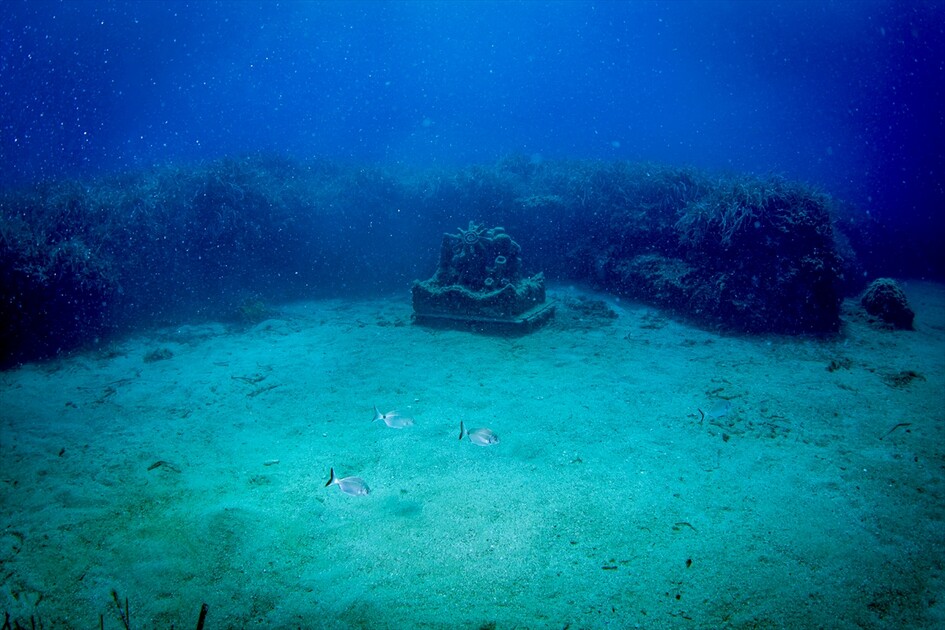
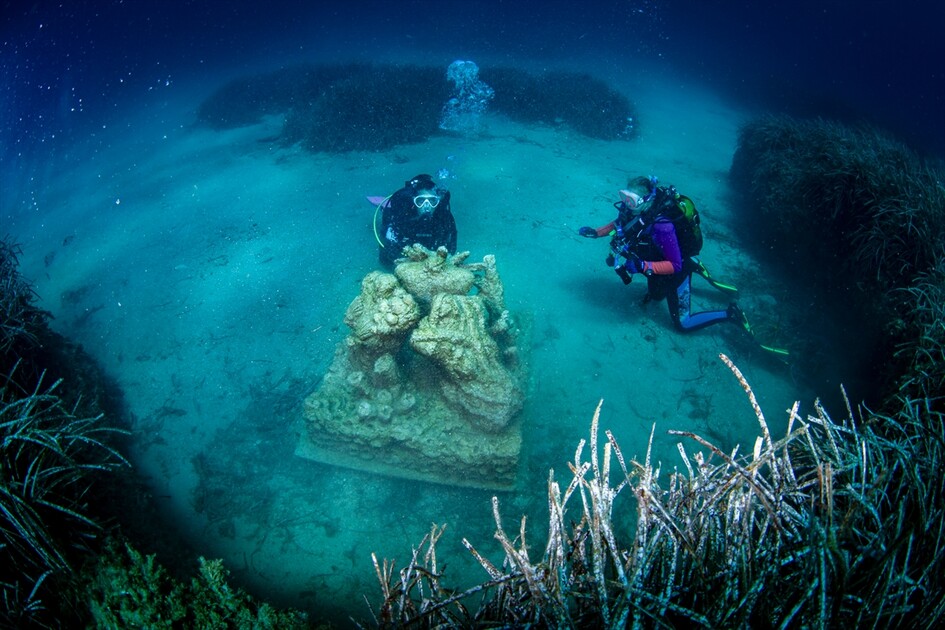
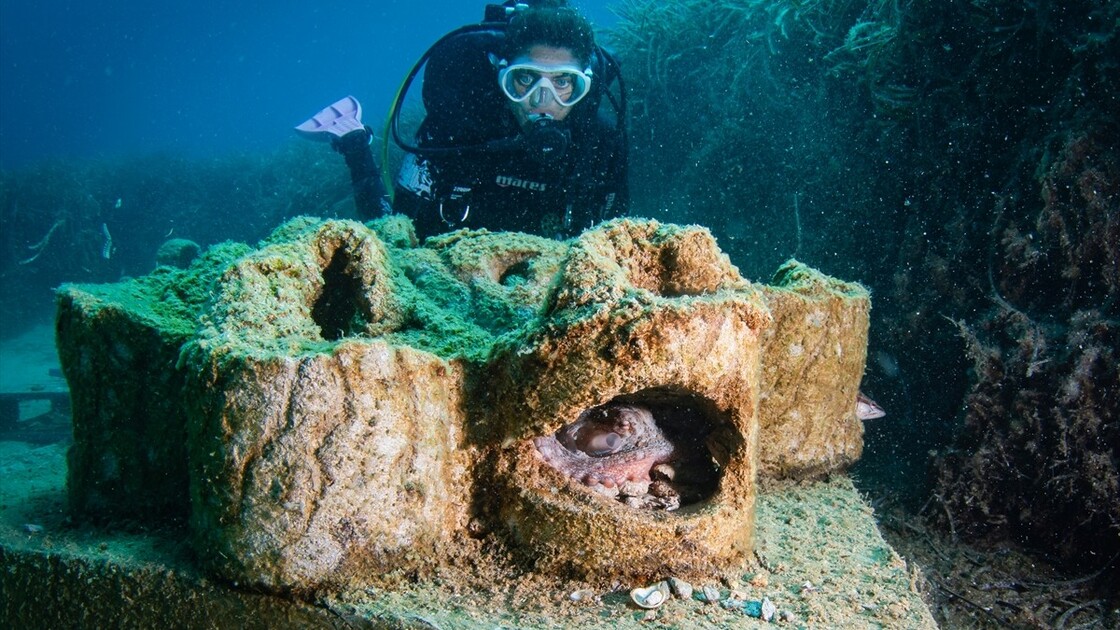
The prototypes were purchased by IZDENIZ AS, a subsidiary of Izmir Metropolitan Municipality, and installed at Telgraf Bay in Seferihisar’s Sigacik neighborhood.
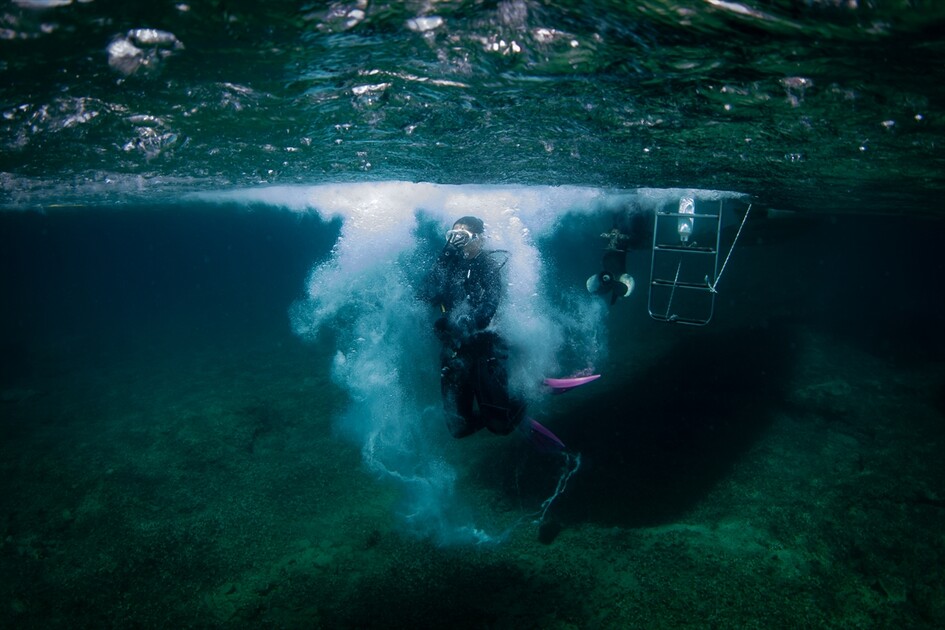
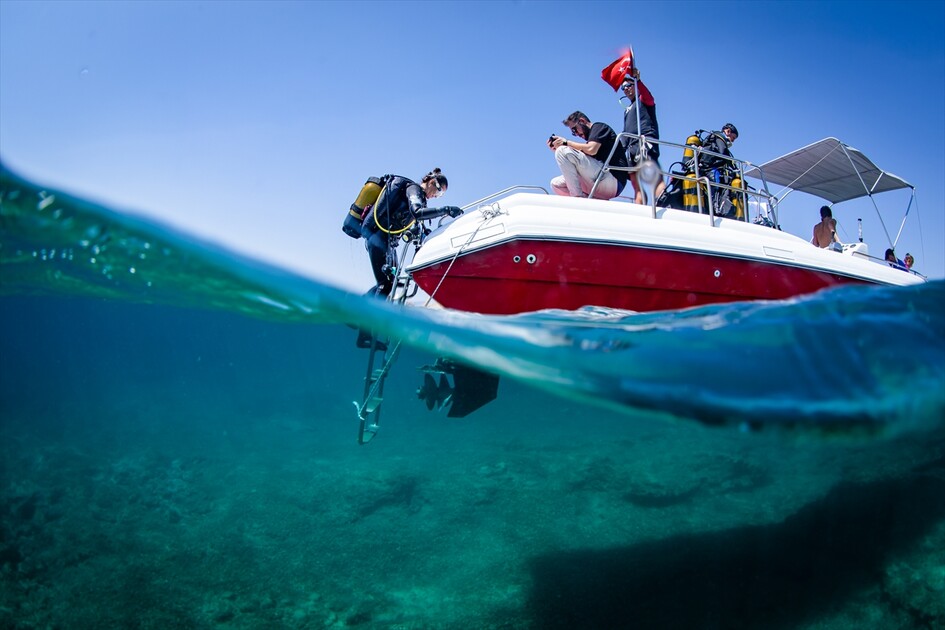
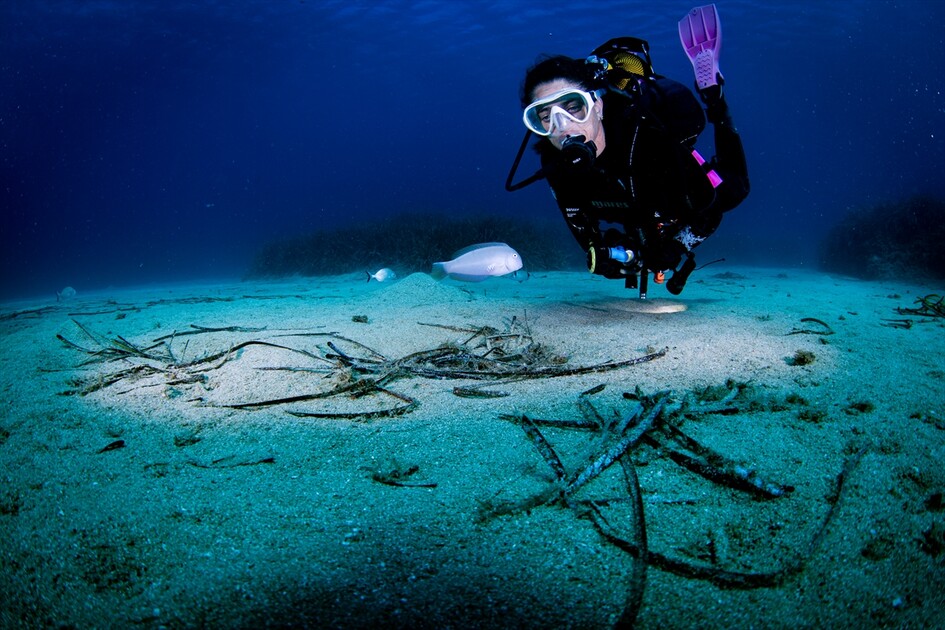
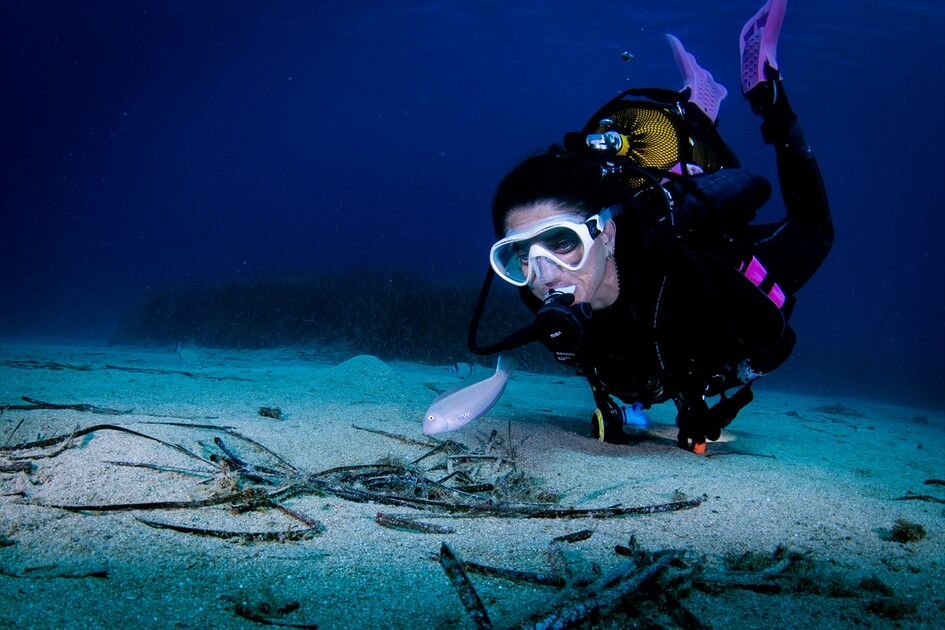
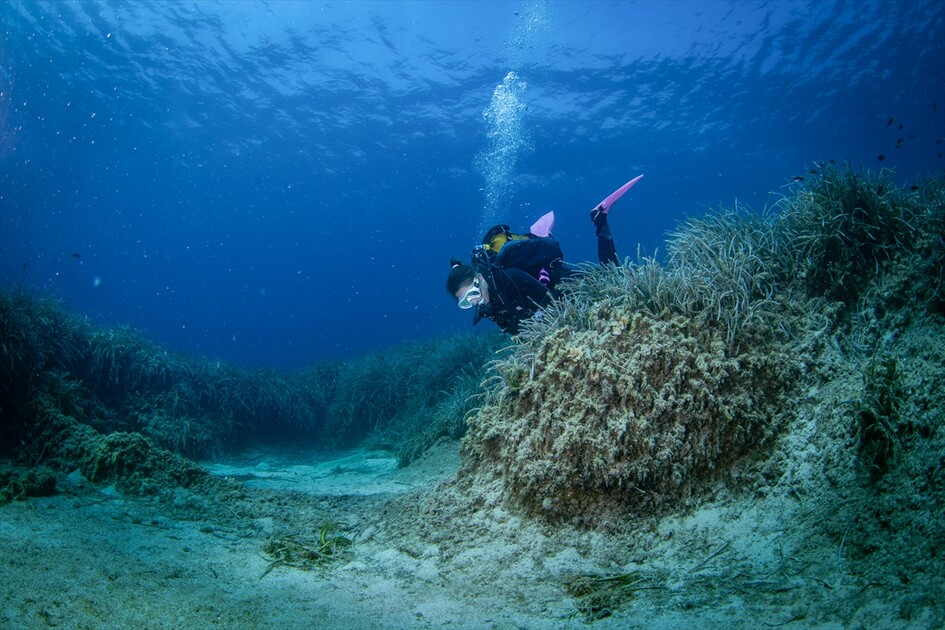
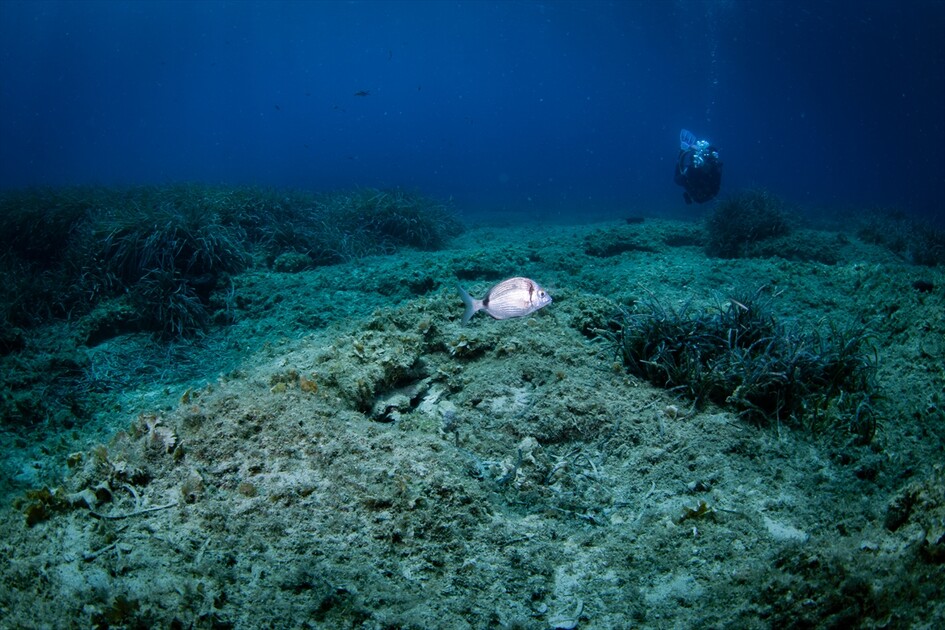
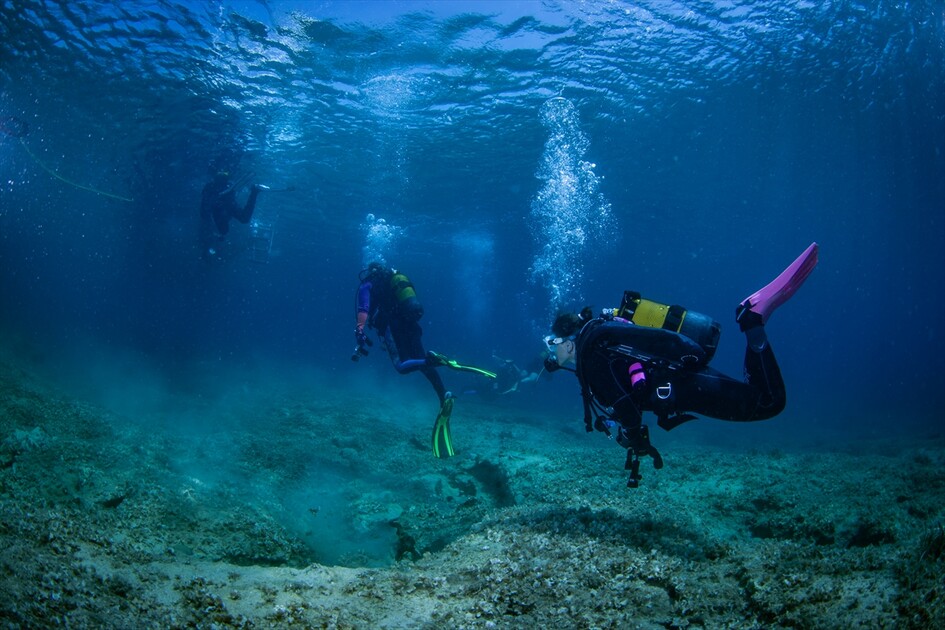
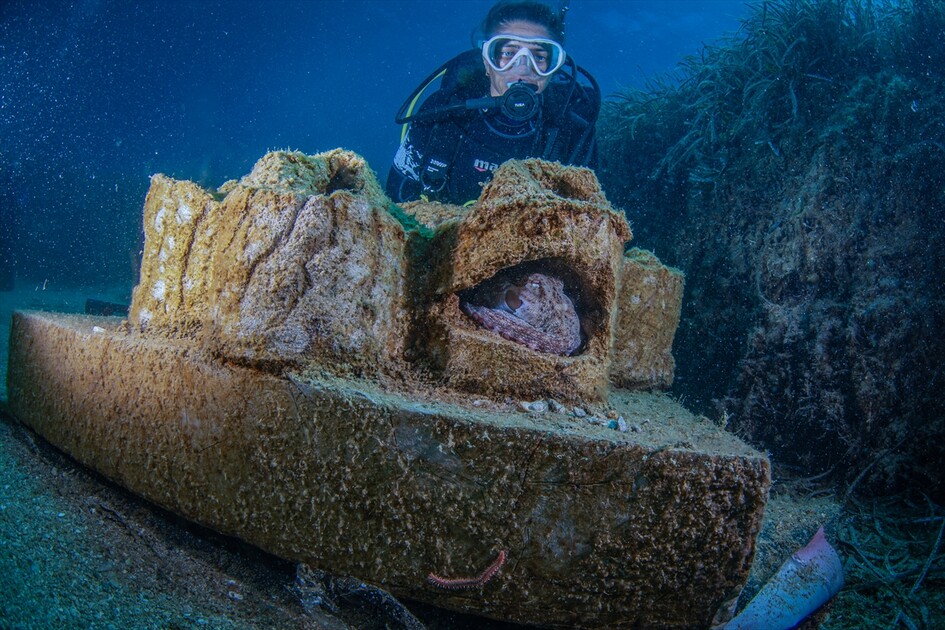
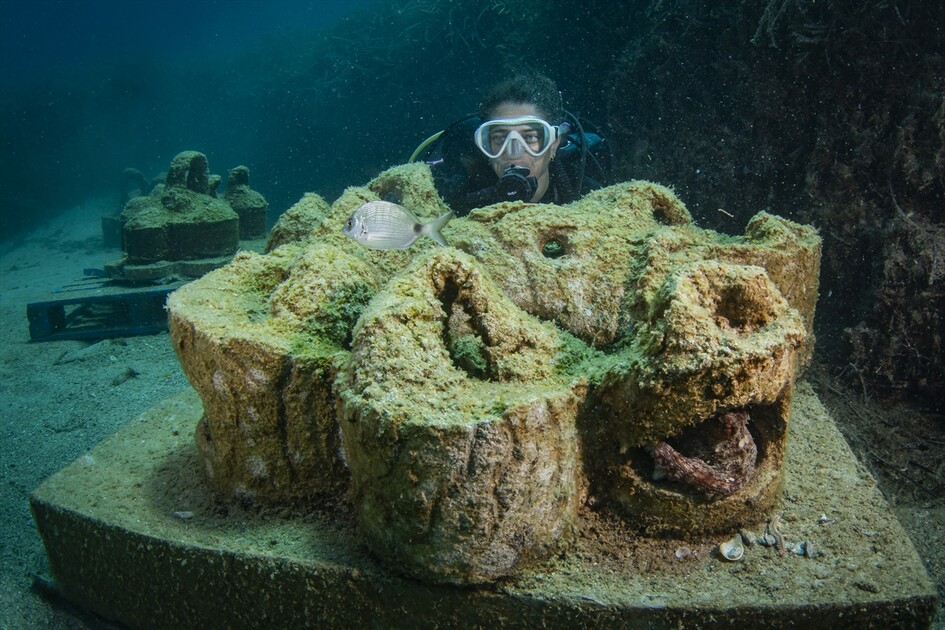
The reefs are periodically inspected by divers to monitor their contribution to the marine ecosystem. An Anadolu photojournalist accompanied the team underwater and documented marine life developing around them.
Ozger told Anadolu that while working on artificial reef design, she realized mussel shells could be transformed into a water-resistant material.
After being satisfied with the first prototypes, the team applied for the Scientific and Technological Research Council of Türkiye’s 1707 Order-Based Research and Development Project program.
Ozger said artificial reefs around the world are predominantly made of concrete, but her team wanted to remove discarded mussel shells from the waste stream and reuse them.
“It is estimated that more than 40 tons of mussel shells are thrown away every month in the Aegean Region,” she said.
“When we combine the ideas of reducing this 40 tons of waste, transforming this waste into habitats as it is reduced, and turning these habitats into tourism attractions, we focused on mussel shells with the idea of bringing what comes from the local sea back to the sea,” she added.
Ozger said artificial reefs are designed to support underwater life and create habitats in areas where marine life has declined.
Marine life began developing on the prototypes more quickly than on concrete reefs, she said, with algae growth attracting other species.
“The most striking point about these prototypes we placed underwater is that, compared with their main competitor, concrete reefs, life begins to develop on them more quickly,” Ozger said.
“In particular, we observe that herbivorous organisms, what we call algae, begin to develop faster. This means that other marine creatures living around the reefs are also being attracted to the area in greater numbers,” she added.
Ozger said Telgraf Bay was selected for the first prototypes because of its potential for diving tourism.
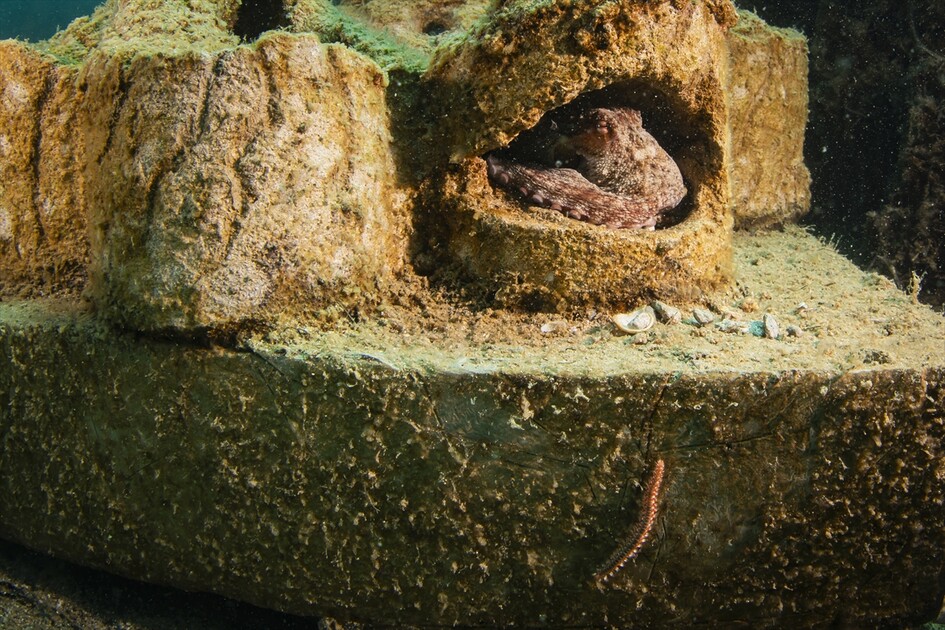
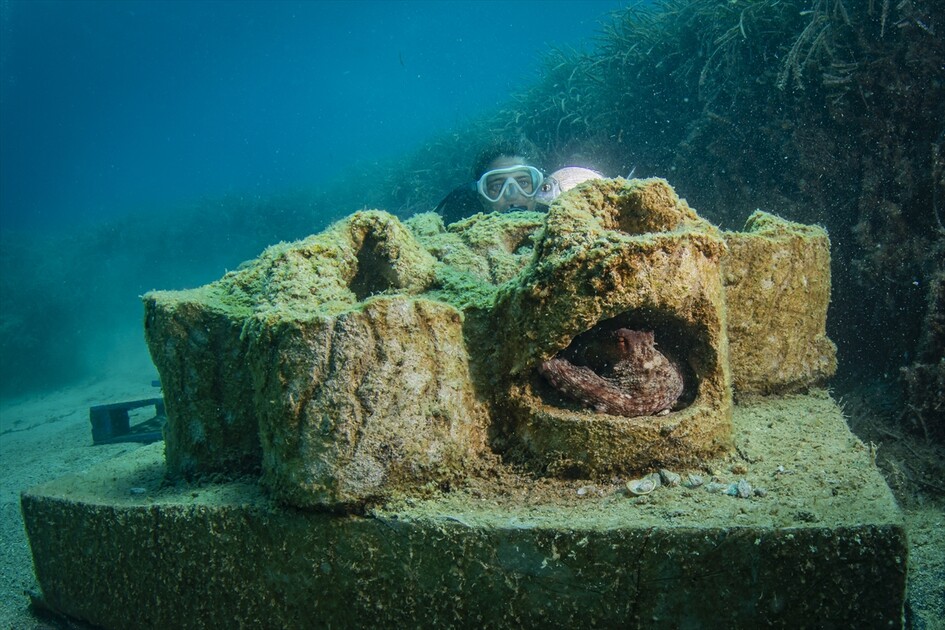
During the latest inspection dive, the team spotted an octopus inside one of the reef’s cavities, which Ozger described as a significant milestone.
“For the first time, we saw an octopus inside one of the cavities of our prototypes,” she said.
“This is actually a historic milestone for us, this octopus den we observed today. It had decorated the space, and there were clear signs that it had truly settled there,” she added.
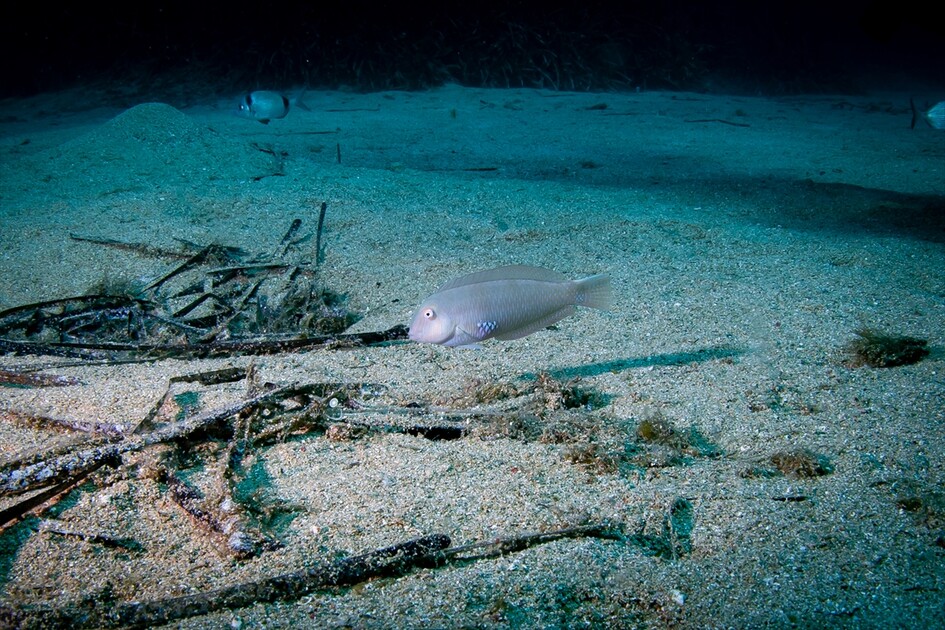
The team also observed small fish using the reefs for shelter and protection.
“We witnessed in particular that black bream, rainbow wrasse and Mediterranean rainbow wrasse were using these reefs like a shield,” Ozger said.
“We recorded videos and took photographs of these moments. This is a very encouraging and hopeful development for us,” she added.
Ozger said 35 more artificial reefs would be installed at Telgraf Bay under the project.
The aim is to reduce waste while turning the area into a new attraction for divers and underwater photographers, she said.