21 March 2016•Update: 22 March 2016
By Esra Kaymak Avci
WASHINGTON
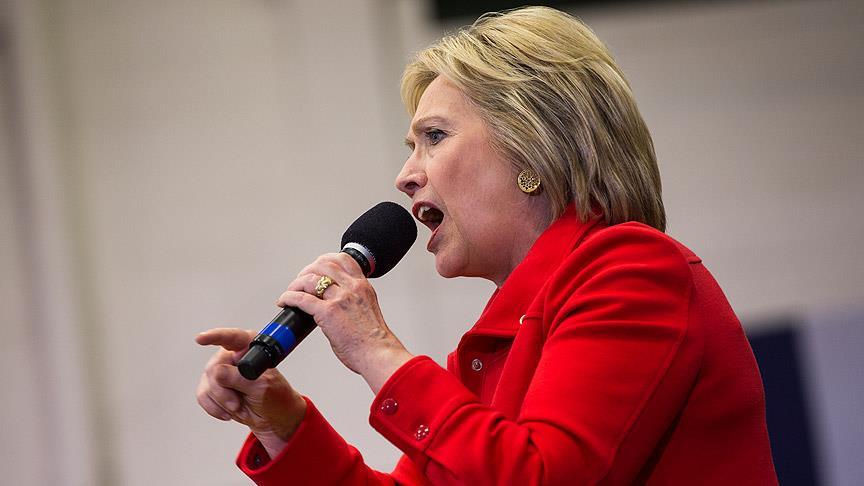
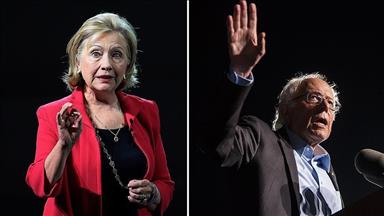
The U.S. must continue to enforce existing sanctions and impose additional ones as needed on Iran as it remains a threat to Israel, Democratic presidential hopeful Hillary Clinton said Monday.
While addressing an annual meeting of the American Israel Public Affairs Committee (AIPAC) in Washington, D.C., the former secretary of state said she would have no mercy for any Iranian violation of the nuclear deal if she were elected president.
"The United States will act to stop it, and that we will do so with force if necessary," she told the influential lobbying group. "We must maintain the legal and diplomatic architecture to turn all the sanctions back on if need."
Citing the latest Iranian ballistic missile tests as "provocations", Clinton said it was "unacceptable and should be answered firmly and quickly, including with more sanctions."
Despite a deal signed last year between Iran and world powers, including the U.S., to curb Tehran's nuclear activities in exchange for some economic sanctions relief, Iran is considered to have violated the agreement multiple times this year.
Also expected to address the forum later Monday will Republican presidential candidates Sen. Ted Cruz, Ohio Gov. John Kasich and front-runner Donald Trump, whose appearance is not without controversy, stemming from his demand that all Muslims be banned from entering the U.S. and his declaration that he would be “neutral” in Israeli-Palestinian negotiations.
Some prominent Jewish groups, including the Anti-Defamation League have urged attendees to boycott the billionaire when he delivers his remarks.
Clinton’s rival for the Democratic nominee, Vermont Sen. Bernie Sanders, the first Jewish politician to ever win a presidential primary, will not be afforded the opportunity to speak to the gathering after conference officials, citing policy, denied his request to make an address via video.
Sanders had said his campaign schedule would not allow him to attend in person.
At prior conference, speakers have been allowed to address the audience. Notably, in 2012, then Republican presidential contender Newt Gingrich appeared to fall asleep while waiting to deliver his remarks and then asked for questions from a non-existent panel.
But Israeli Prime Minister Benjamin Netanyahu will be allowed to make such an address Tuesday.
Earlier this month, Netanyahu canceled plans for a trip to the U.S. where he was expected to meet with President Barack Obama in Washington.
It is believed the last-minute cancellation is due, at least in part, to an unresolved issue involving a U.S. military aid package to Israel, which is under discussion between the two countries.