BERLIN
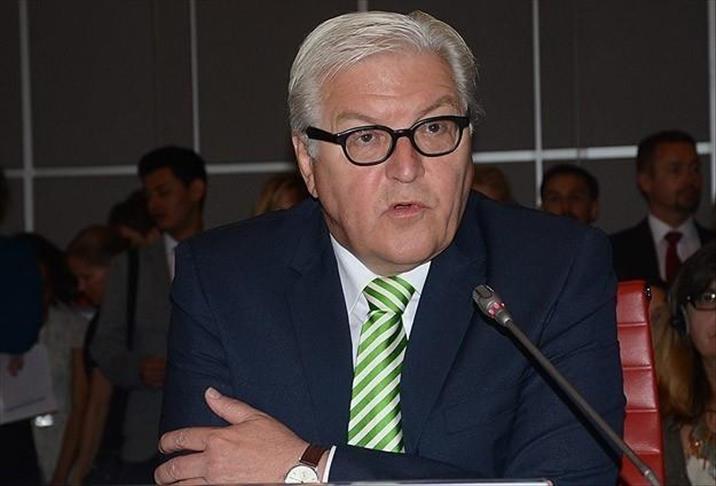
Germany on Thursday pinned the blame for rising violence in Turkey on “forces within” the Kurdistan Workers’ Party (PKK), local media reported.
Foreign Minister Frank-Walter Steinmeier said the recent outbreak of shootings and bombings threatened attempts to find a political solution to the 30-year conflict between the Turkish state and Kurdish militants.
“Apparently there are also some forces within the PKK that have never fully accepted the renunciation of violence and now dare to bring the peace process to a complete standstill,” Steinmeier said in an interview with the Sudwest Presse newspaper.
However, he urged Ankara to respond proportionally to the attacks in order to preserve the chance of returning to a cease-fire and talks.
“Preventing a long-term suspension of the domestic reconciliation process must be in the interest of the Turkish leadership,” he said. “That requires proportionality in response to PKK actions.”
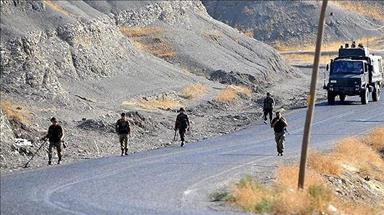
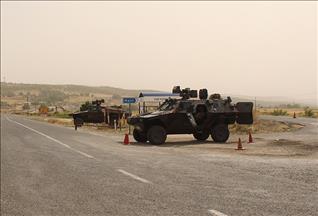
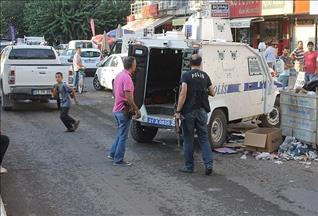
Attacks on security forces since the July 20 Suruc bombing killed 32 activists have seen more than a dozen police and soldiers killed.
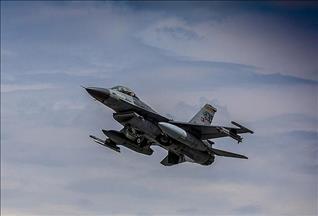
Turkey has responded to the bloodshed by arresting more than 1,300 suspected supporters of groups such as Daesh and the PKK - recoognized as a terrorist group in Turkey and the EU and U.S. - as well as launching airstrikes in Syria and Iraq.
Eva Savelsberg, director of Kurdwatch and the European Center for Kurdish Studies, said Iran was partly to blame for the escalating violence.
“Obviously, there are important groups within the PKK that are not at all interested in the peace process,” she told Anadolu Agency. “But the problem is not that some people are still not willing to refrain from violence but rather the growing influence of the Iranian regime on the PKK.
“Iran’s and Turkey’s position on Syria is antipodal - while Iran supports Bashar al-Assad, Turkey wants his defeat. Thus, by blasting the peace process between the PKK and the Turkish state, Iran is effectively weakening its most important regional opponent.”