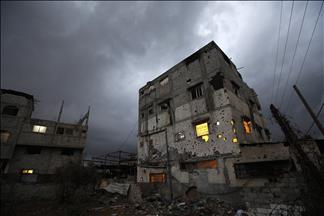
By Roy Ramos
ZAMBOANGA CITY, Philippines
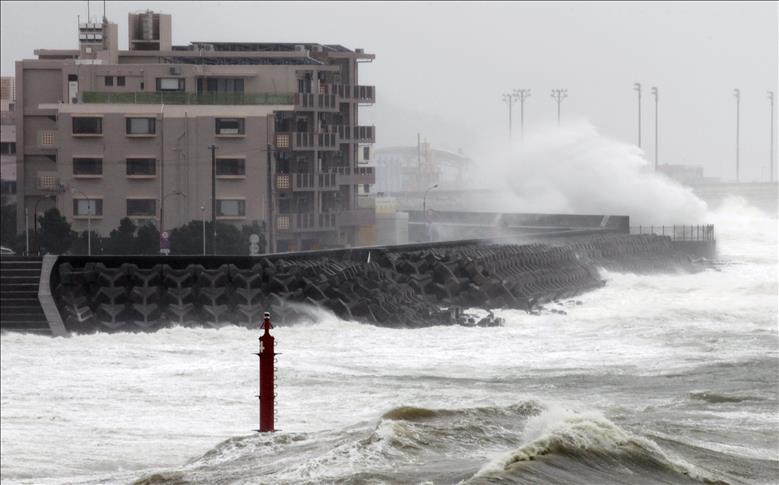
The Philippines is bracing itself for the arrival of Typhoon Hagupit, local media reported Wednesday, hoping it does not inflict the level of damage seen by last year’s super typhoon.
The typhoon is due to make landfall somewhere in the eastern Philippines over the weekend. Residents and authorities are preparing for the cyclone’s arrival with the 13-month-old memory of Typhoon Yolanda firmly in mind.
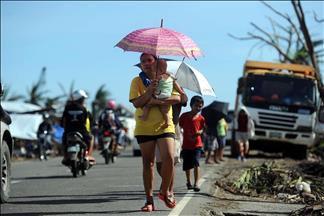
On Nov. 8 last year Yolanda hit Leyte island, causing devastating damage and killing more than 6,300 people. Another 1,000 are still listed as missing.
More than 14.5 million people were affected by the storm and four million remain homeless, according to government figures.
In Tacloban City, among the worst-hit urban centers last year, officials were preparing the Tacloban Astrodome to serve as an evacuation center should Hagupit strike, the GMA News website reported.
When the typhoon, named with the Philippine Tagalog language word for whiplash, enters the Philippine Area of Responsibility on Thursday it will be renamed Ruby.
The coast guard was placed on heightened alert, Inquirer.net reported. Vice Admiral Rodolfo Isorena said emergency response units in Bicol, Eastern Visayas and southeastern Mindanao were standing by.
The Philippine Star newspaper reported a warning from the U.S. military’s Joint Typhoon Warning Center that Hagupit could intensify into a super typhoon within 48 hours.
In an update posted on Wednesday, the center said sustained winds of 115 miles per hour (185 kilometers per hour) and gusts of 144 mph (231 kph) had been recorded.
"Favorable sea surface temperatures, along with continually favorable upper-level conditions, will allow the system to further intensify and is expected to reach super typhoon status," the Hawaii-based agency said.
By Friday, Hagupit is expected to be sustaining winds of 149 mph (240 kph).
Landrico Dalida Jr, deputy administrator for the Philippine weather service, said the chances of Hagupit making landfall over Eastern Visayas was 75 percent.
The Philippines government has set aside 4.69 billion pesos ($105 million) to respond to Hagupit, a statement from the Department of Budget and Management said.
Budget Secretary Florencio Abad said government departments had been allocated funds to “mobilize the necessary resources and manpower to extend relief and immediate assistance to victims.”
Abad said given the Philippines' location along the Pacific typhoon-belt meant the government was prepared to disaster.
"But we cannot predict the future,” he added. “That’s why it’s essential that our national budgets have special purpose funds… to address any contingency.”
Typhoons and tropical storms are types of cyclones classified by wind speed. Typhoons have a sustained wind speed of 74 mph (119 kph) or greater while tropical storms rotate at 39 to 73 mph (63 to 118 kph).
www.aa.com.tr/en