Timo Kirez
26 May 2026•Update: 26 May 2026
More Swiss citizens support higher defense spending and closer cooperation with NATO amid growing security concerns, according to a study published Tuesday by the Center for Security Studies at ETH Zurich.
The Security 2026 study found that the Swiss population's sense of security has fallen to its lowest level in two decades.
Only 82% of respondents said they feel safe, down four percentage points from the previous year.
Optimism about the future of global politics also hit a new low – with nearly a quarter of respondents saying they are “very pessimistic” about the situation, compared with 13% who are optimistic.
Meanwhile, support for the Swiss Army has reached new highs.
About 83% of respondents said the army remains necessary, while support for abolishing compulsory military service fell to 25% – the lowest level since the end of the Cold War.
At the same time, 29% of respondents supported higher defense spending, the highest level recorded since the surveys began in 1986.
The changing security landscape in Europe has also contributed to shifting attitudes toward Switzerland’s long-standing neutrality policy.
While 85% of respondents continued to support the principle of neutrality, that figure has fallen sharply since the outbreak of the war in Ukraine in 2022, when support stood at 97%.
A majority of respondents, 59%, said neutrality could no longer be credibly defended militarily during a crisis.
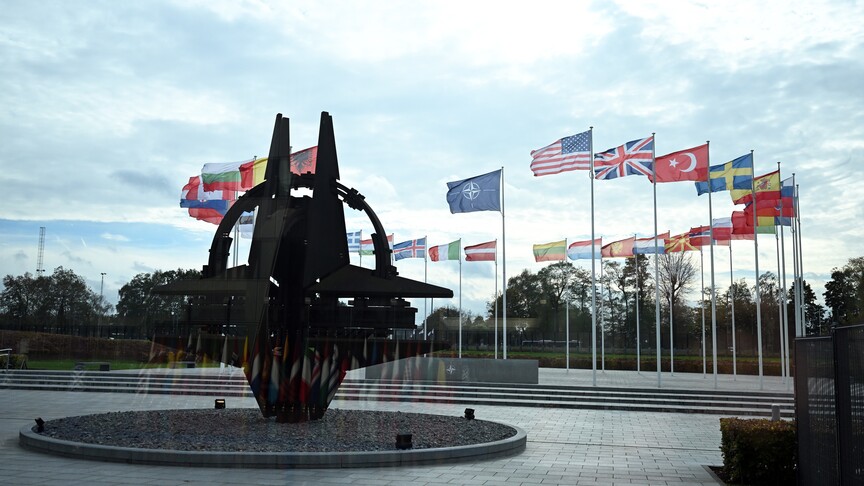
Against that backdrop, support for closer security cooperation has grown, with 56% backing stronger ties with NATO.
The study also found that 43% of respondents viewed membership in a European defense alliance as a better guarantee of security than neutrality alone, the highest level since records began.
In the event of an armed conflict, 78% of respondents supported the country's military defense.
Nearly half of those surveyed said they would be willing to personally defend Switzerland with a weapon, while 85% said they would contribute in a noncombat role.