US general says about 1,000 Daesh fighters killed monthly
Daesh’s leaders, positions at growing risk ‘as we gain and learn more about this enemy,’ says Lt. Gen. Hesterman
WASHINGTON
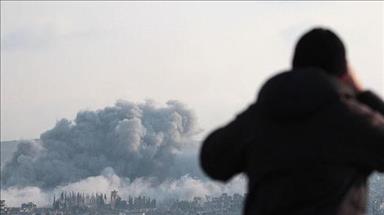
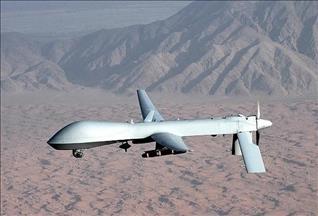
The top U.S. Air Force general claimed Friday that air campaigns have removed 1,000 Daesh fighters per month but admitted that 75 percent of air missions fail to engage with any target.
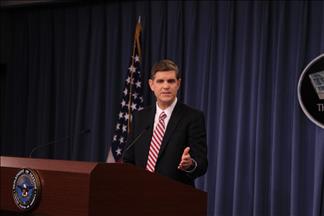
Lt. Gen. John Hesterman told a Pentagon press conference that in addition to the removal of the fighters, the coalition has made progress in eliminating the majority of militants’ oil-refining capabilities but did not elaborate on how the coalition determined its estimates, saying they were conservative.
Asked how Daesh could manage to continue to carry out offensives and capture new territories in Iraq in the face of such losses, Hesterman said that air power cannot hold and govern an area.
“They [Daesh] have achieved tactical advances. That's frustrating,” he said. “Let's not give them credit for a strategic victory. That's not what's happening,” he added while highlighting some of the challenges in fighting the militant group.
Daesh has "wrapped itself around a friendly population” even before airstrikes began last year which makes it difficult to remove them easily, he said. “Sometimes we ID the enemy and they're standing next to a mosque or a school or a residential area.”
The general’s remarks seem to support comments by Republican Sen. John McCain who said last week that 75 percent of coalition “combat missions return to base without having fired a weapon.”
“That's probably right,” said Hesterman. “With this enemy, we have to be available 24/7 with coalition airpower, differentiate them from the population and go after them every time we find them. It's an order of magnitude more difficult than what we've done before, but we're doing it.”
He said the militants’ leaders and positions are at a growing risk. “There is a whole bunch of targeting that is opening up here, as we gain and learn more about this enemy,” he said.
The U.S. has spent $2.4 billion in nine months conducting 4,000 airstrikes, as well as providing local forces with weapons and training to fight Daesh.