Islamuddin Sajid and Sahin Demir
11 April 2026•Update: 12 April 2026
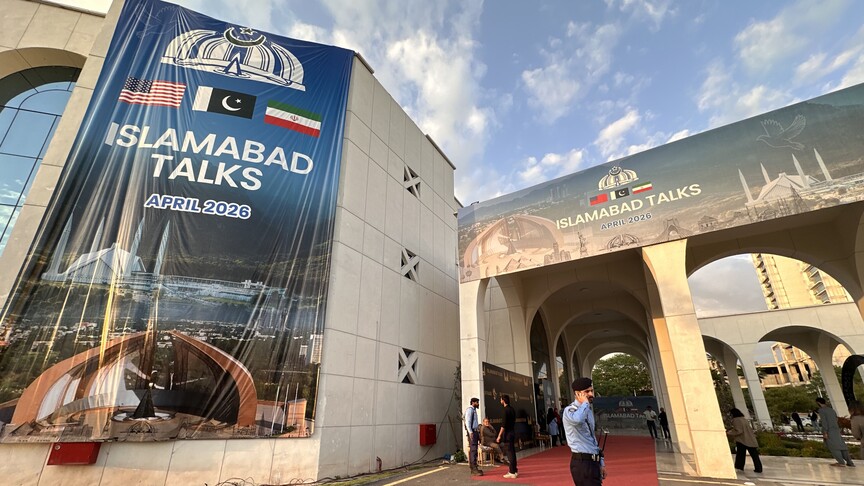
The trilateral talks between the US, Iran and Pakistan that started Saturday in Islamabad have gone into Sunday local time, sources in the Pakistani government told Anadolu.
The current round that began after a dinner break, close to midnight, has entered its second day, according to sources who said the atmosphere “appeared normal” as well as “positive.”
A senior White House official confirmed the in-person negotiations were ongoing as of 1.55 am local time (2055GMT).
During the first two rounds of talks, the two sides engaged in indirect talks, which led to face-to-face negotiations.
Before stopping for meals, the two sides exchanged written texts, signaling cautious progress in the high-stakes dialogue, sources indicated.
The delegations have so far held talks for more than seven hours, intermittently.
The US delegation is led by Vice President JD Vance, accompanied by special envoy Steve Witkoff and senior adviser Jared Kushner.
The Iranian delegation is headed by Parliament Speaker Mohammad Bagher Qalibaf, with Foreign Minister Abbas Araghchi and senior security official Ali Bagheri Kani also participating.
Senior Pakistani officials are facilitating the talks, positioning Islamabad as a key mediator in the process.
The sources said Vance, Qalibaf, Pakistan's Foreign Minister Ishaq Dar and Field Marshal Asim Munir participated in a face-to-face session.
According to Iranian state media, IRIB, expert teams from the US and Iran were engaged in negotiations at the technical level through specialized committees.
It added that the talks had entered a “sensitive phase.”
Sources close to the Iranian delegation, cited by state media, pointed to “persistent differences” in positions of the two sides, describing a “maximalist approach” by the US, both publicly and behind closed doors.
Pakistan is hosting the negotiations, aimed at ending the broader regional conflict amid a fragile two-week ceasefire brokered earlier this week.