US: Russia’s nuclear comments ‘literally playing with fire’
Senior defense official says Russia cannot control escalation through use of nuclear weapons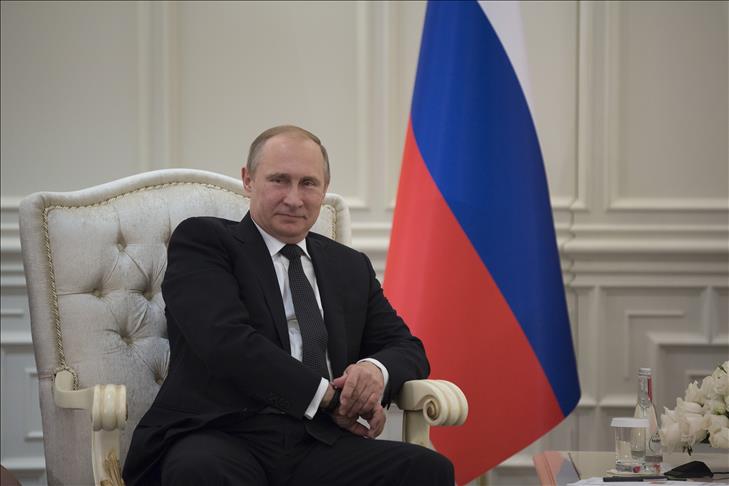
WASHINGTON
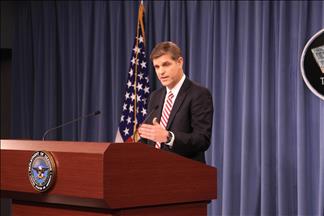
A U.S. official on Thursday slammed Russia for threatening a nuclear buildup, describing Moscow's behavior as “playing with fire”.
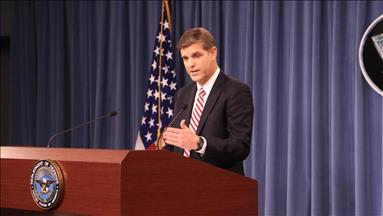
"Senior Russian officials continue to make irresponsible statements regarding Russia's nuclear forces and we assess that they're doing it to intimidate our allies and us," Deputy Defense Secretary Robert Work told a congressional hearing on nuclear deterrence. "Anyone who thinks that they can control escalation through the use of nuclear weapons is literally playing with fire. Escalation is escalation, and nuclear use would be the ultimate escalation."
As the Ukrainian civil war has turned into a stalemate where the West has accused Russia of increasing hostilities -- the U.S., together with its NATO allies, has been preparing to confront Moscow's military rampage.
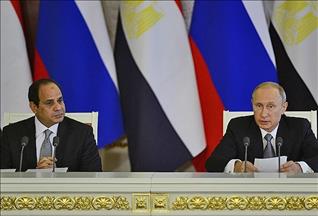
After Russian President Vladimir Putin announced last week that the country’s military would add 40 new intercontinental ballistic missiles to its inventory, NATO allies called for a review of the alliance's preparedness against a Russian threat.
Noting that Moscow is violating the Intermediate-Range Nuclear Force Treaty (INF), Work said the U.S. and allies would not allow Russia to gain a military advantage in the region by way of violating the nuclear treaties.
"We are developing and analyzing response options for the president and we're consulting with our allies on the best way forward here," he added.
The INF treaty was the first nuclear arms control agreement signed between the U.S. and Soviet Union in 1987 to reduce nuclear arms.
Earlier this year, the U.S. relocated the vast majority of its military power from Western Europe to Eastern Europe.
Along with closing 15 bases in countries like Italy and Spain, the Pentagon recently deployed a large number of heavy weapons including middle and short-range nuclear missiles to Eastern Europe -- a move that angered Moscow.
Work suggested that China is also upgrading its nuclear capability and that it is pursuing "a sea-based element for their nuclear forces".
He added, however, that China is not seeking rivalry with U.S. or Russia but it is building up "a second strike capability", -- a term used for conducting nuclear strikes after being attacked by nuclear weapons, which is a defensive rather than offensive capability.