Esra Tekin
24 May 2026•Update: 24 May 2026
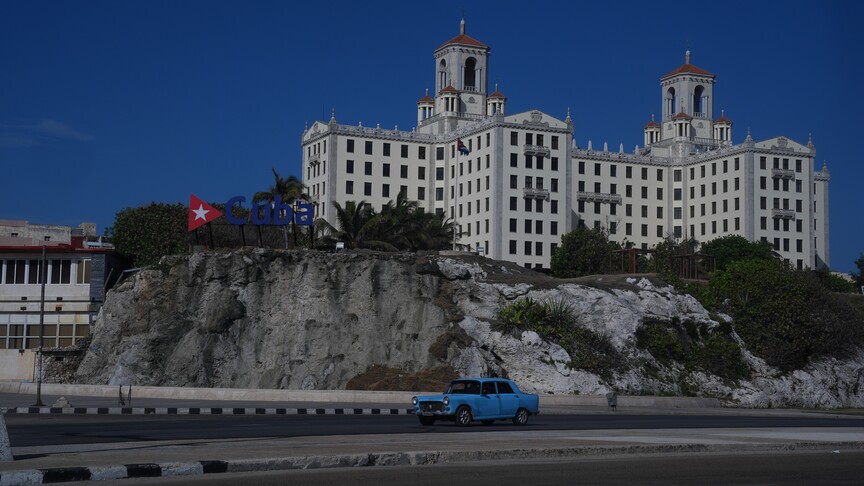
US officials have raised concerns that Russia and China are expanding intelligence operations in Cuba, increasing Washington’s anxiety about foreign surveillance activity close to American territory.
US intelligence assessments reported by The Wall Street Journal said Beijing and Moscow have upgraded electronic surveillance facilities on the island and increased the number of intelligence personnel there since 2023.
Officials said the sites are positioned to monitor US military activity in the southern American state of Florida, including communications linked to US Central Command in Tampa and US Southern Command near Miami, according to the newspaper.
The assessments identified 18 known signals-intelligence sites in Cuba
US officials said China operates three sites, while Russia operates two, with some facilities believed to be run jointly with Cuban authorities. The remaining sites are understood to belong to Cuba.
Washington sees the developments as part of a broader effort by US rivals to strengthen their presence in the Western Hemisphere.
The Trump administration has used the intelligence findings to support a tougher stance toward Havana, arguing that Cuba has become a platform for Russian and Chinese operations near the US mainland.
Cuban intelligence activity has also reportedly increased around Guantanamo Bay, the US naval base on the island’s southeastern coast.
US officials said Russia and China share some intelligence with Havana, though they are believed to keep most of the collected information for their own use.
The US has responded by stepping up surveillance of Cuba, including drone flights and satellite monitoring, following a directive from Director of National Intelligence Tulsi Gabbard. Her office declined to comment.
China has rejected the allegations, accusing Washington of spreading false claims to pressure Cuba. Russia did not respond to the report, though Moscow has publicly criticized US actions toward Havana and pledged continued support for Cuba.
Some former US officials have questioned whether the latest findings represent a major new threat, noting that Russian and Chinese intelligence activity in Cuba has been known for years. Critics argue the timing of the warnings may also reflect the administration’s broader push to justify stronger action against Havana.