Anadolu staff
18 May 2026•Update: 18 May 2026
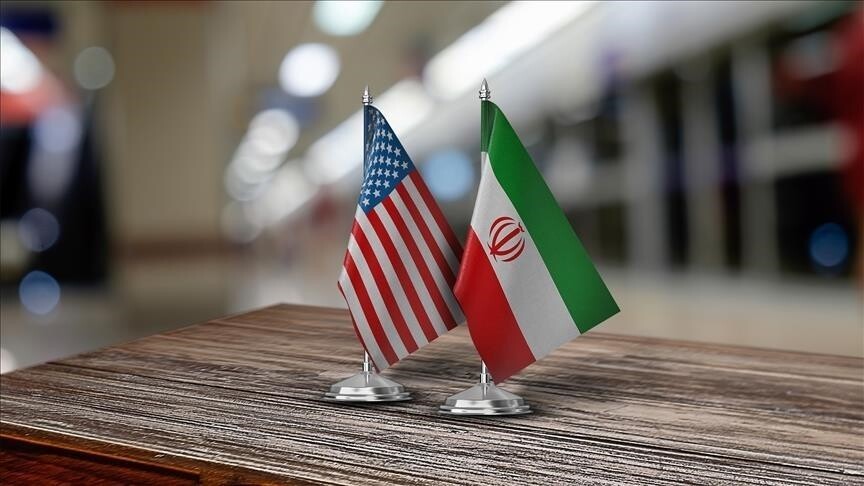
Pakistan is focusing on diplomatic efforts to persuade the US and Iran to hold another round of direct talks as no breakthrough has emerged on "some crucial" issues, mainly Tehran's nuclear program, two Pakistani government sources close to the matter told Anadolu.
"Both sides are exchanging formulas and messages through Islamabad to break the ice. However there is no breakthrough so far in this regard as the two sides stand firm on their stance on the nuclear issue," the sources said.
"The current focus of Pakistan's diplomacy together with regional countries is to persuade the two sides to have a fresh round of direct talks in Islamabad," the sources added.
Pakistan is "still very much hopeful" that the two sides would "ultimately" return to the table, the sources further added.
Islamabad believes that direct talks would be "more fruitful" than conveying messages through a third party, the sources went on to say.
Pakistani Prime Minister Shehbaz Sharif and Foreign Minister Ishaq Dar have made fresh contacts with Qatari, Saudi, and Egyptian leaders over the past 24 hours to discuss ways to break the stalemate.
Interior Minister Mohsin Naqvi met with Iranian President Masoud Pezeshkian and other Iranian officials on Sunday in a fresh attempt to revive a second round of talks with the US to end the war.
"Although, there is no breakthrough so far in terms of change in the two sides' stance on the nuclear issue, both sides are still seriously pursuing diplomacy to resolve the conflict," the sources further added.
According to a 14-point Iranian formula, Tehran demands "separate" talks on its nuclear program, including enriched uranium issues within 30 days after the two sides reach a permanent ceasefire, Anadolu previously reported.
But Washington wants the issue to be "discussed and resolved" before the permanent ceasefire.
Pakistan brokered a two-week ceasefire between the US and Iran on April 8, followed by critical talks in Islamabad attended by senior delegations from both countries on April 11 and 12.
However, neither side was able to reach an agreement to bring the war to an end.
Since then, the two warring sides have been exchanging proposals and counter-proposals to reach a middle ground to resume a second round of direct talks to end the conflict that has already disrupted global energy supplies and daily lives across the region.