Melike Pala
27 November 2026•Update: 27 November 2026
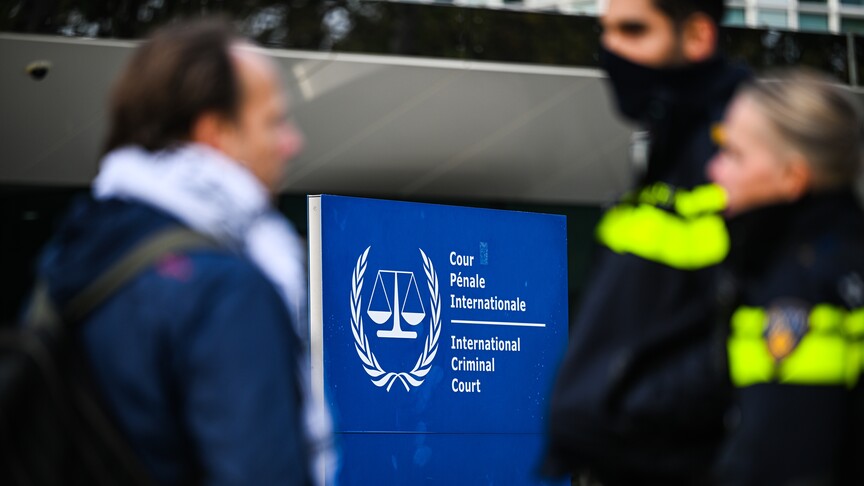
Three experts have urged European governments to take six measures to protect the International Criminal Court (ICC) from US sanctions and keep it operating, warning that US pressure could undermine the international justice system.
In an opinion article published on Thursday, Pieter Omtzigt, Gerald Knaus, and Flavia Zaka argued that ICC member states should strengthen financial, technological, and institutional support for the court in response to sanctions imposed by US President Donald Trump.
The authors said a Nov. 19 joint statement by Trump, Russian President Vladimir Putin, and Chinese President Xi Jinping raised concerns about the court’s jurisdiction and the principle of immunity for state officials.
In the statement, the three leaders said they attached the utmost importance to state consent and respect for the immunity of state officials. They added that international courts should stay within their jurisdiction.
The authors described the statement as part of a broader effort to pressure the ICC, citing Russian legal action against court officials and US sanctions targeting judges and prosecutors.
They stressed that the ICC plays a crucial role in holding individuals accountable for serious international crimes, including war crimes, crimes against humanity, and genocide.
They said the court’s independence is essential to preventing powerful political and military leaders from evading accountability.
6 proposed measures
The authors proposed giving the court access to banking services through the European Central Bank and national central banks, finding alternative suppliers for essential services, and implementing the EU Blocking Statute.
They also called for barring companies that refuse to serve the court from receiving public contracts, strengthening the court’s digital independence, and developing European technology and payment systems to reduce reliance on US-based services.
The authors said the EU Blocking Statute alone would be insufficient because it applies only to European companies and can be difficult to enforce.
They urged member states to take direct responsibility for ensuring the court has access to essential services and to implement the six measures before April 7, when further US sanctions are expected to take effect.