05 March 2016•Update: 09 May 2016
By Shadi Khan Saif
KABUL
A breakthrough in talks between the Kabul government and Taliban in line with the decisions made at the Fourth Quadrilateral Coordination Group in the Afghan peace process remains elusive, but it may be the only hope for achieving peace in the country, analysts say.
Both sides were supposed to hold landmark peace talks early this month after the announcement was made by the group, which comprises of the U.S., China, Pakistan and Afghanistan. However, the Taliban showed reluctance to the move.
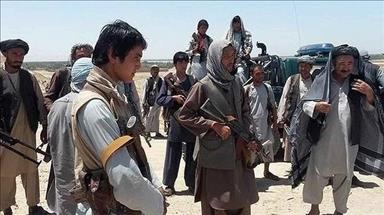
“For the talks to commence, the ‘invaders’ [U.S/ NATO soldiers] should leave the country and give the Afghan people opportunity to determine their fate themselves,” the Afghan Taliban said recently.
Another bone of contention that has hindered any headway in efforts for a cease-fire and peace in the country is the Taliban’s precondition of dismantling the present Kabul government to establish a new interim set-up.
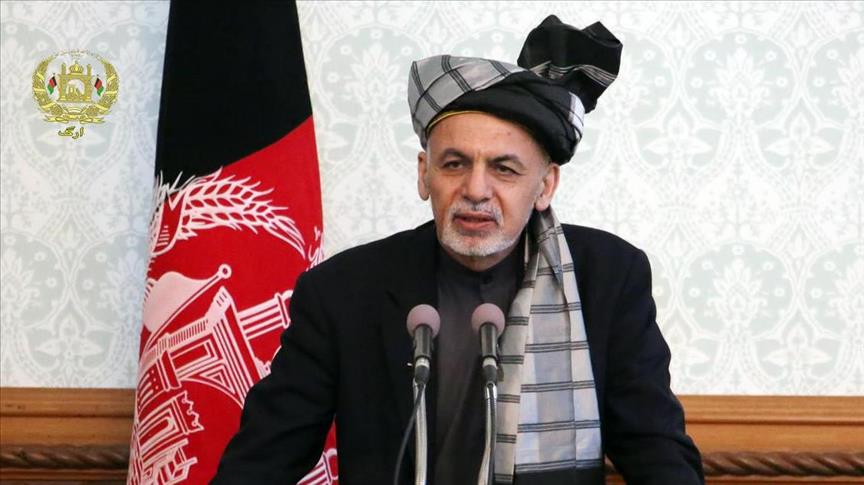
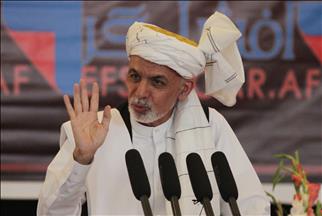
On the other hand, the Afghan government has been pushing for talks without any such preconditions. But at the same time, analysts believe Afghan President Ashraf Ghani desperately wants to avoid yet another war season.
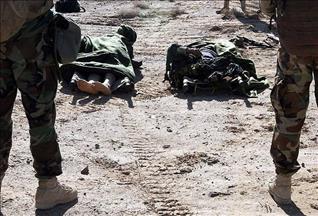
During the spring of 2015, the Taliban announced their annual offensive, which ended up as being the deadliest in a decade. More than 10,000 operations were carried out by the militant group during the offensives.
Jawed Kohistani, a military affairs expert, believes the Quadrilateral Coordination Group has compelled Pakistan to bring the Taliban to the negotiating table.
Earlier this week, a top Pakistani diplomat acknowledged for the first time officially that the Taliban’s leadership in fact lived in Pakistan. Sartaj Aziz told the Council on Foreign Affairs in Washington Tuesday that Pakistan has influence over the Afghan Taliban because its leadership lives in Pakistan, who also avail some medical facilities in the country.
“It is extremely important the peace talks succeed so that the major faction of the Taliban led by [Pakistan-backed] Mullah Mansoor joins it,” Kohistani told Anadolu Agency, while expressing fears that only smaller groups of Taliban might participate in the scheduled talks in Islamabad.
About engaging other countries in the peace talks, Ashiqullah Yaqub, an Afghan journalist, said: “The reason why the Afghan government has engaged almost all regional countries in the peace process is that many are directly involved in the affairs of this country”.
Yaqub added the emerging threat of Daesh in Afghanistan combined with changing polices of Pakistan and Iran regarding Taliban and the U.S had also compelled Kabul to engage with them.