BANGKOK
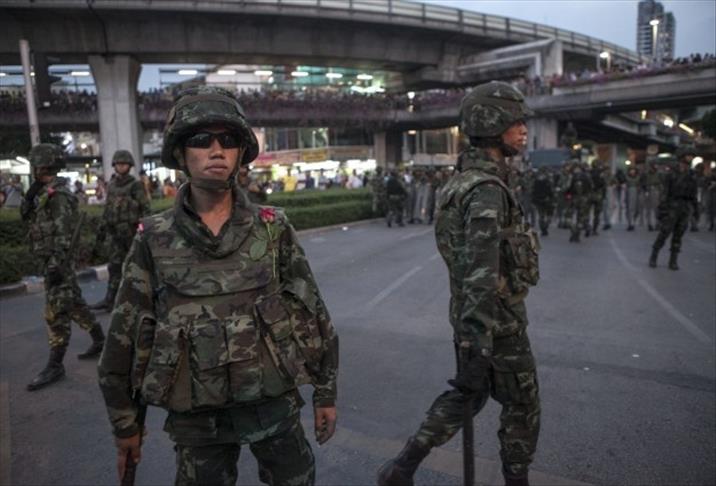
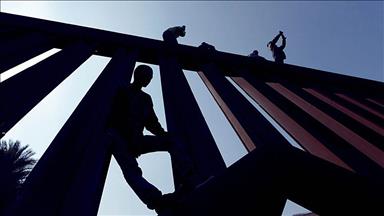
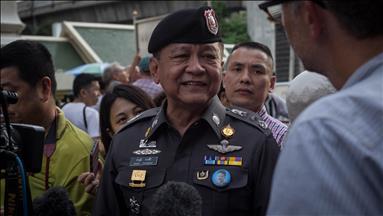
Thai military officials have denied a report published Monday in the Cambodian press alleging its soldiers had “admitted” they had burned alive two Cambodian motorbike smugglers.
“We beg the Cambodian side not to speak like this. Making such comments causes damages because Thai-Cambodian relations are currently good,” the Bangkok Post newspaper reported a highly placed source within the Burapha Task Force, the military unit in charge of securing the Thai-Cambodian border, as saying.
On Monday, Cambodia's Phnom Penh daily newspaper quoted Cambodian military officials in Battambang province as saying that the soldiers had killed the two men who had evaded tax in Cambodia and were trying to cross illegally with two other men and the motorbike into Thailand.
“While they were dragging the motorcycle across the border, the soldiers shot at them, but all bullets missed. So they deployed more soldiers and arrested the two Cambodians while the other two escaped,” said Anh Kamal, deputy military commander in Battambang Sampov Loun district, according to the Phnom Penh Post.
"The soldiers burnt the two men alive in car tires,” he added.
The article - under the title “Thais ‘admit’ to burn deaths” - also said locals had posted pictures of the murder sites online.
The Thai military source quoted by the Bangkok Post said that authorities from the two countries had discussed the incident and the Thai side had made it clear that their soldiers were not involved in the deaths.
The Phnom Penh Post affirmed that the “charred remains” of the victims had been sent to Bangkok for forensic examination and to “determine the identities of the victims.”
Bangkok has not confirmed the allegation.
Relations between Thailand and Cambodia have long been difficult, particularly since 2008 when armed incidents took place between the two countries' militaries in relation to the sovereignty of border land near the Preah Vihear temple.
The temple lies in an 11th century compound which had been attributed to Cambodia by the International Court of Justice of The Hague in 1962, a judgment reluctantly accepted by Bangkok.
After Thai military overthrew the civilian government of Yingluck Shinawatra in a coup on May 22, relations seemed to improve between the two countries - Phnom Penh releasing in July a prominent Thai prisoner, Veera Somkwamkid, and his secretary, Ratree Pipatanapaibul.
But in the last few weeks, some incidents have shown an increase in tension.
On Dec. 24, Thai defense minister General Prawit Wongsuwan recognized during a visit to Phnom Penh that Thai soldiers had sometimes shot and killed Cambodians in the border area, and proposed to pay compensation.
At the beginning of this month, Thailand also closed a crossing point and sent 200 soldiers there after Cambodia brought heavy machinery near the border to build a road. Thai officials said that the work could alter the border demarcation. The border crossing was reopened Jan. 9 after Cambodia stopped the construction.