BOGOTA, Colombia
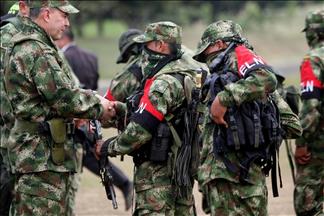
Members of the government’s negotiating teams, high ranking military officials FARC guerrillas will begin three-day talks Tuesday on how and where to being demining Colombia.
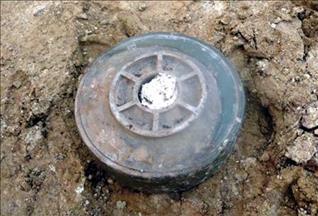
The talks being held in Havana will include workshops with experts in landmine eradication and representatives of the demining and humanitarian relief group Norwegian People’s Aid. It is expected that at the end of the workshops the sides will agree on which towns in the departments of Antioquia and Meta to begin the process. These particular departments have been chosen since they have been most affected by landmines. To date, Antioquia has registered 2,465 victims and in Meta, 1,112 casualties have been recorded.
"We are in agreement of the demining of certain territories. Three or four territories will be chosen, but it is a humanitarian demining process at this time," said Revolutionary Armed Forces of Colombia, or FARC, member Ricardo Téllez to the press. "Our men in the jungles will not stop defending themselves. For the moment we will be working in areas where the civilian population is directly affected," he added.
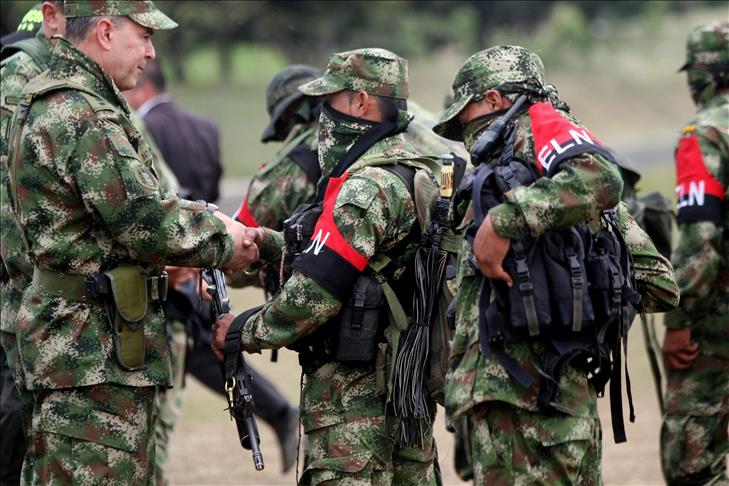
The two sides reached an agreement March 7 in which the armed forces and the guerrillas, dressed in civilian clothing, will work together to identify and map out areas with landmines and then eradicate them together.
The Ministry of Defense has said 668 of Colombia’s 1,100 towns and municipalities have been affected by landmines and since 1990. As many as 11,000 people, including civilians and members of the armed forces have been killed or maimed by the weapons.
Representing the government at the workshops in Cuba will be Gen. Rafael Colón along with two representatives from the Ministry of Defense. FARC members alias Matías Aldecoa and Edison Romaña will be in charge of providing the government with information about the locations of the minefields. The demining process is expected to begin in three or four weeks.
The peace dialogues with the FARC rebels began in Havana in November 2012 and have reached agreements on agrarian reform, political participation and illicit drugs. Currently, negotiating teams are addressing the issue of the victims of the armed conflict and how to end hostilities.
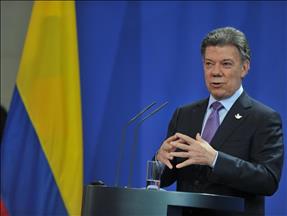
"The goal is to continue training our men so that within five years we should have up to 10,000 men specialized and qualified in this dangerous task, all with the objective of protecting our citizens," said Defense Minister Juan Carlos Pinzon, while on a trip Monday to the northern region of the Montes de Maria.
"These artefacts were laid by these terrorist and criminal organizations to prevent military operations," he added.
Colombia remains a country with some of the most landmines in the world but FARC representative Ricardo Tellez was keen to emphasize that not all mines are the responsibility of the FARC.
"The military has set landmines too and on occasion they have taken our landmines and placed them in other locations. The paramilitaries also put down landmines as well," he said.